Export Control
EAR Export Classification: Not subject to the EAR per 15 C.F.R. Chapter 1, Part 734.3(b)(3), except for the following Service Bulletins which are currently published as EAR Export Classification 9E991: SBE70-0992, SBE72-0483, SBE72-0580, SBE72-0588, SBE72-0640, SBE73-0209, SBE80-0024 and SBE80-0025.Copyright
© IAE International Aero Engines AG (2001, 2014 - 2021) The information contained in this document is the property of © IAE International Aero Engines AG and may not be copied or used for any purpose other than that for which it is supplied without the express written authority of © IAE International Aero Engines AG. (This does not preclude use by engine and aircraft operators for normal instructional, maintenance or overhaul purposes.).Applicability
All
Common Information
TASK 72-45-23-300-007 HPT Stage 1 Duct Segment - Unplug The Cooling Air Holes, Repair-007 (VRS3071)
General
Price and availability - refer to IAE
The practices and processes referred to in this procedure by TASK numbers are in the SPM.
NOTE
Preliminary Requirements
Pre-Conditions
NONESupport Equipment
| Name | Manufacturer | Part Number / Identification | Quantity | Remark |
|---|---|---|---|---|
| Pin vise | LOCAL | Pin vise | ||
| Reamers | LOCAL | Reamers | ||
| Spring wire | LOCAL | Spring wire | ||
| Ultrasonic cleaning equipment | LOCAL | Ultrasonic cleaning equipment |
Consumables, Materials and Expendables
| Name | Manufacturer | Part Number / Identification | Quantity | Remark |
|---|---|---|---|---|
| CoMat 10-058 PENETRATING OIL | 0AM53 | CoMat 10-058 |
Spares
NONESafety Requirements
NONEProcedure
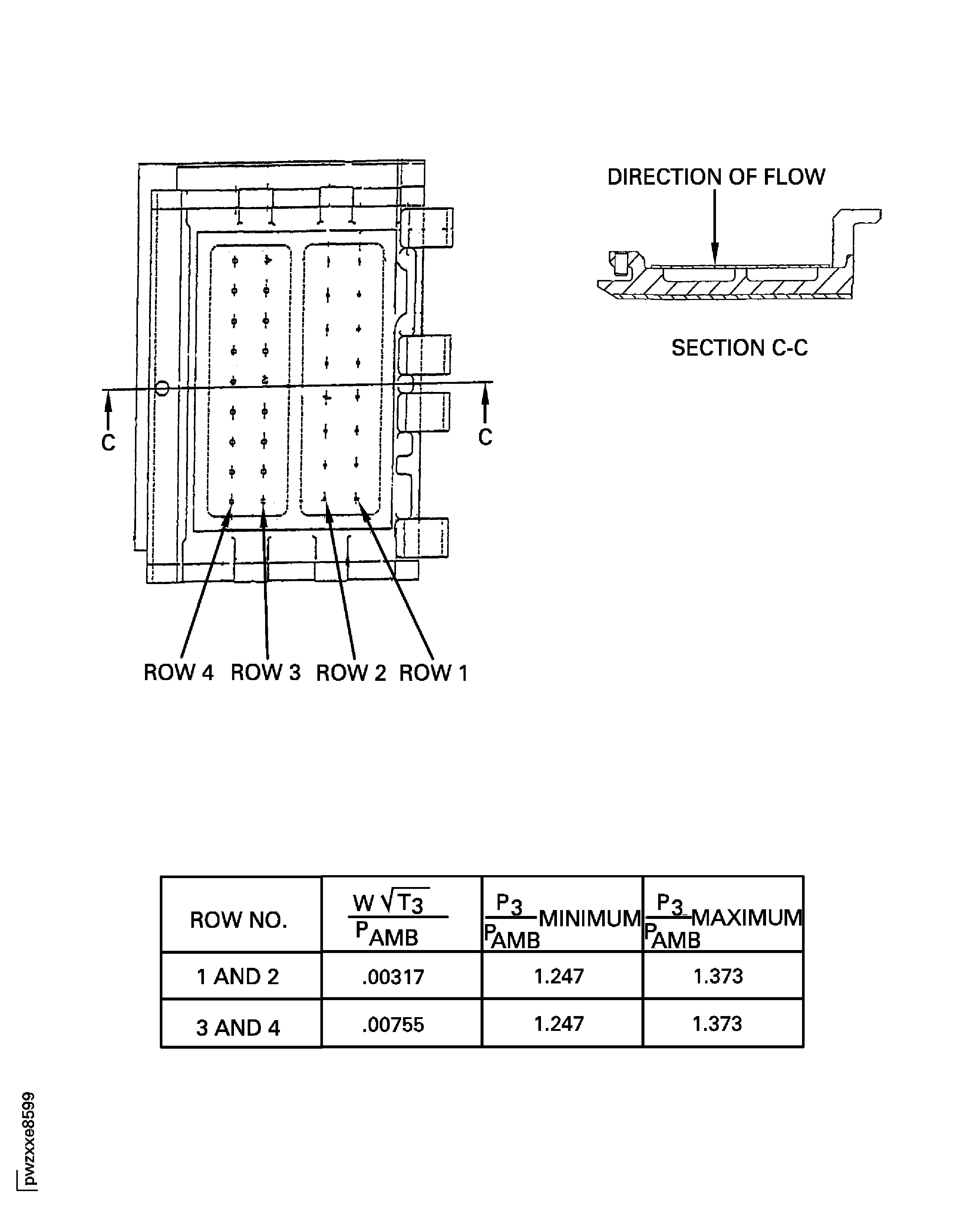
Refer to Figure.
Apply CoMat 10-058 PENETRATING OIL to the holes. Let the oil soak into unwanted material in the holes. If you use a spring wire, cut the end of the spring wire at an angle. Make sure that you use a rotary movement when you insert the reamer. Move the reamer or wire slowly into the hole. Intermittently move the reamer farther into the hole and then remove it again while you hold the duct segment, so that the holes point down to let unwanted material fall out.
Clear the cooling air holes with a reamer. Use a spring wire with a pin vise if you can not reach an area with a reamer.
Use the reamer again until you get the diameters given in Figure.
SUBTASK 72-45-23-350-055 Unplug the Cooling Air Holes in the Stage 1 HPT Duct Segment

CAUTION
REAMERS ARE RECOMMENDED AS AN ALTERNATIVE TO SPRING WIRE OR DRILL BITS FOR THE INITIAL PROBING. WIRE CAN BREAK OFF LARGER PIECES OF UNWANTED MATERIALS AND FORCE THEM INTO THE INTERNAL CAVITY. DRILLS BREAK EASIER AND CAN GET CAUGHT IN THE HOLE.CAUTION
THE HOLES ARE DIFFERENT SIZES. MAKE SURE YOU USE THE CORRECT REAMER OR SPRING WIRE SIZE FOR EACH HOLE.Refer to the SPM TASK 70-13-02-300-503. Position the duct segment at different angles to remove unwanted material from the inner areas of the duct segment.
NOTE
Ultrasonics will increase the temperature of the solution.
Do an ultrasonic cleaning to remove unwanted material from internal areas.
SUBTASK 72-45-23-130-051 Clean the Stage 1 HPT Duct Segment
Refer to the SPM TASK 70-72-01-720-501.
Do an airflow check of the cooling air holes in the duct segment.
SUBTASK 72-45-23-720-051 Do an Airflow Check of the Stage 1 HPT Duct Segment
If the airflow is not sufficient, hand probe the holes again. Increase the hole size in small increments. Hand probe only a few holes at a time so you do not cause too much airflow. Do not correct the airflow by opening one or more holes too much. The airflow measurement can be in the limits, but the part will not be correctly and evenly cooled.
Correct the airflow by hand probing.
SUBTASK 72-45-23-350-056 Correct the Airflow of the Stage 1 HPT Duct Segment
Figure: Repair Details and Dimensions
Repair Details and Dimensions
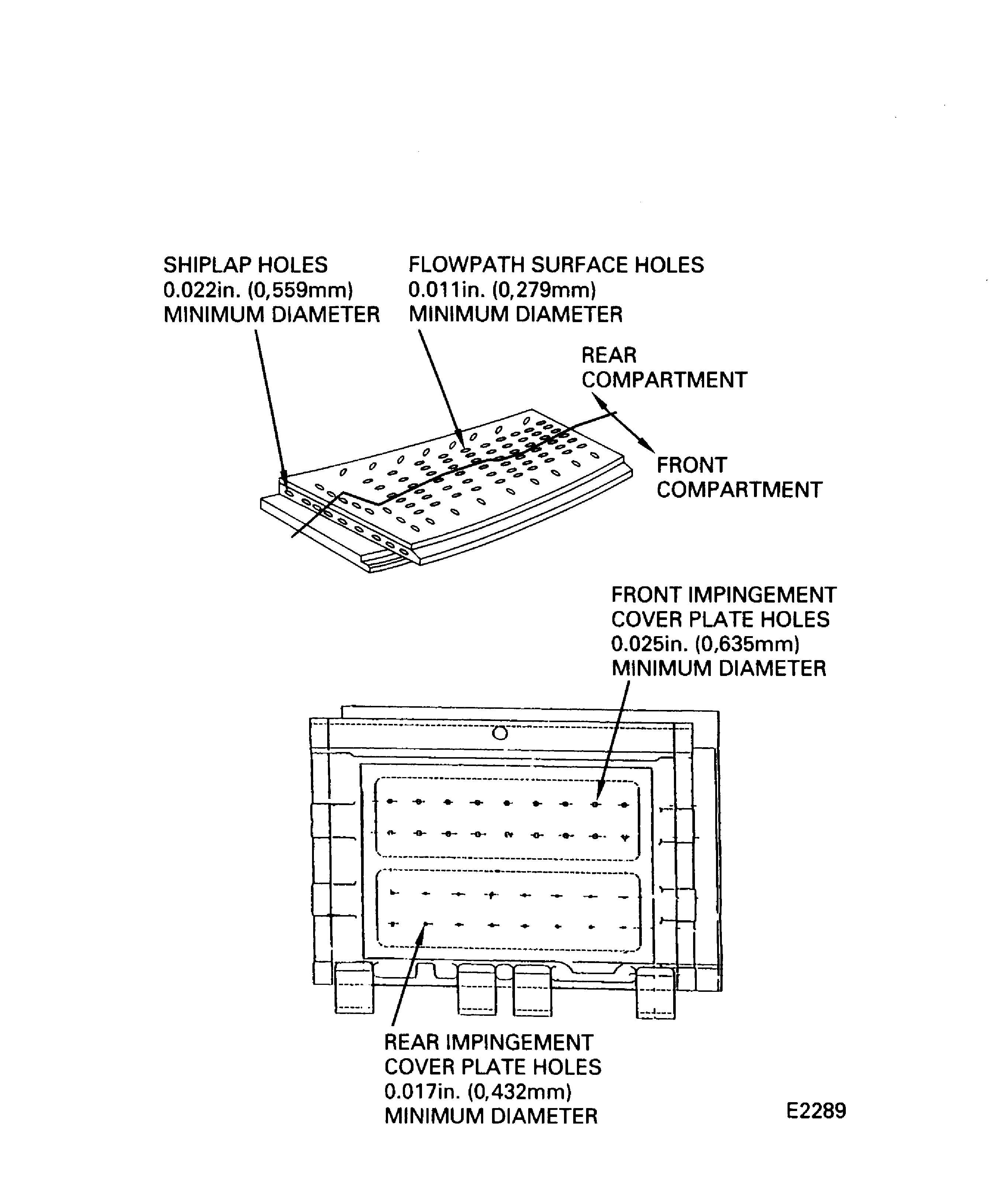
Figure: Repair Details and Dimensions
Sheet 1
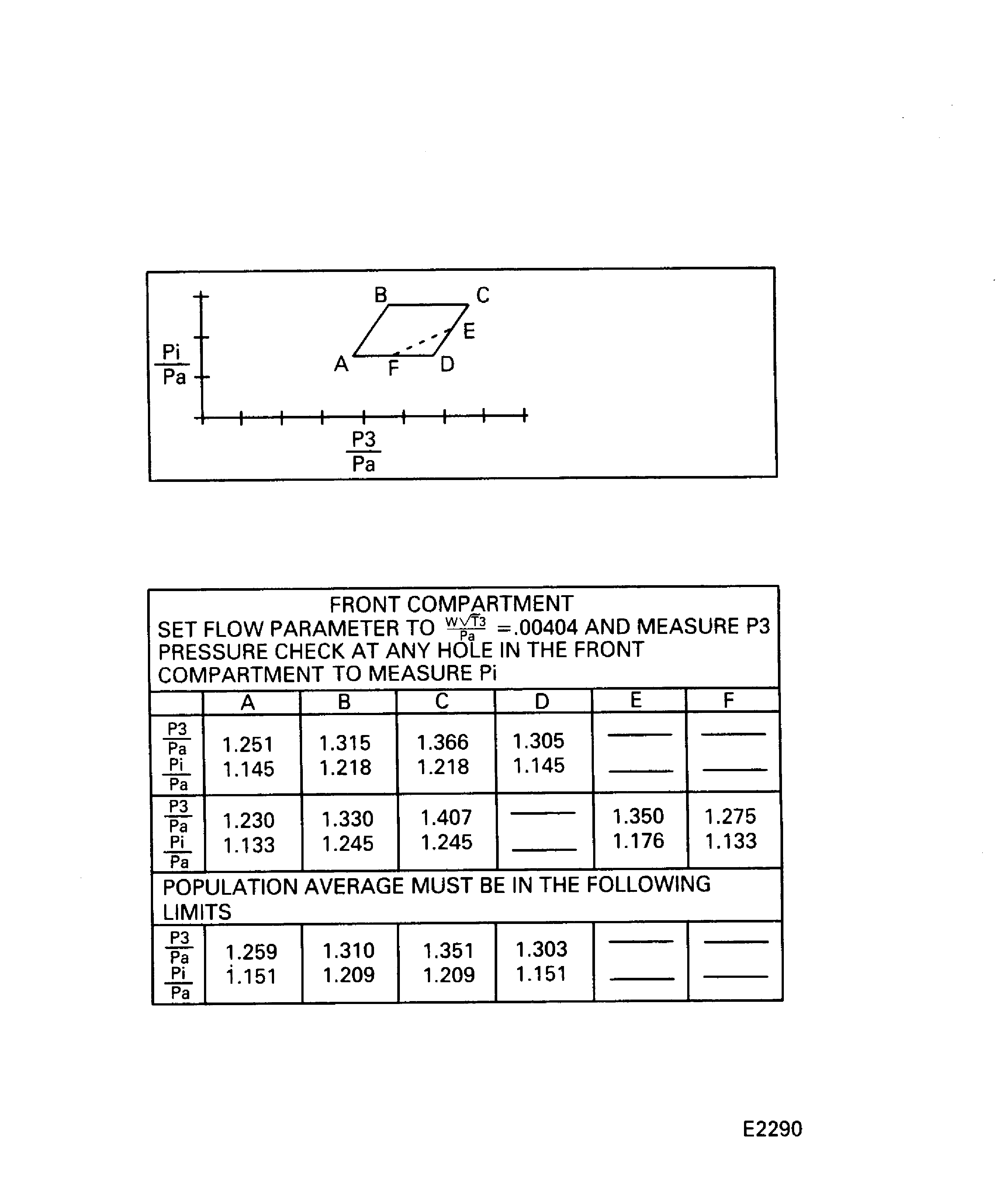
Figure: Repair Details and Dimensions
Sheet 2
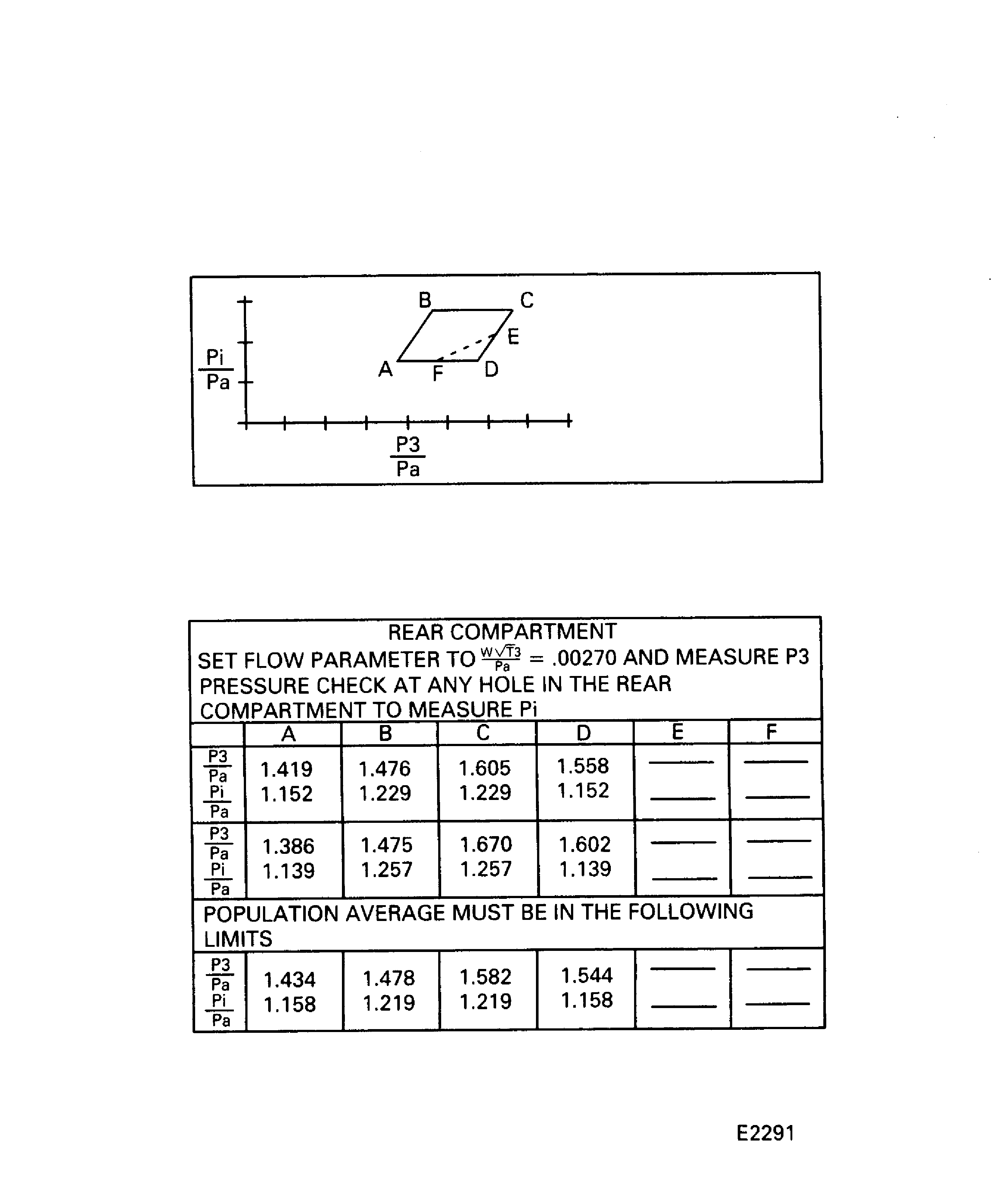
Figure: Repair Details and Dimensions
Sheet 3
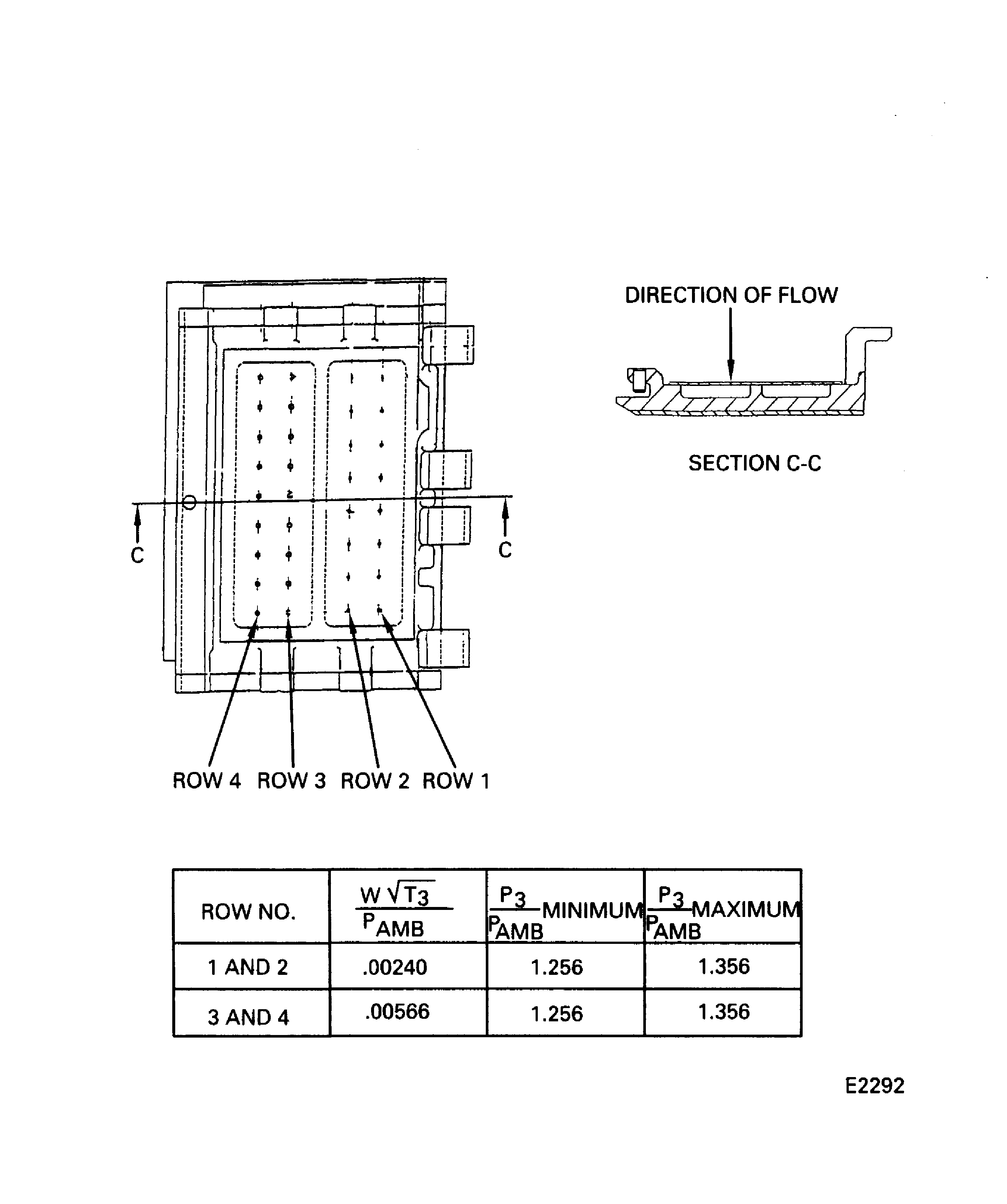
Figure: Repair Details and Dimensions
Sheet 4