
Export Control
EAR Export Classification: Not subject to the EAR per 15 C.F.R. Chapter 1, Part 734.3(b)(3), except for the following Service Bulletins which are currently published as EAR Export Classification 9E991: SBE70-0992, SBE72-0483, SBE72-0580, SBE72-0588, SBE72-0640, SBE73-0209, SBE80-0024 and SBE80-0025.Copyright
© IAE International Aero Engines AG (2001, 2014 - 2021) The information contained in this document is the property of © IAE International Aero Engines AG and may not be copied or used for any purpose other than that for which it is supplied without the express written authority of © IAE International Aero Engines AG. (This does not preclude use by engine and aircraft operators for normal instructional, maintenance or overhaul purposes.).Applicability
All
Description
How To Use (Engine Manual)
General
This manual provides overhaul/repair information for the IAE V2500 engine, power plant and thrust reverser. The A.T.A. chapters covered in this manual are:
Chapter 05 - Group A Parts Lives
Chapter 71 - Power Plant
Chapter 72 - Engine
Chapter 78 - Exhaust (including thrust reverser)
The overhaul/repair information for the other A.T.A. chapters is included in the component maintenance manuals detailed in Paragraph 'Related Publications'. Standard Practices and Processes are issued as a separate manual (Standard Practices Manual - SPM) and contain policy requirements for cleaning, inspection and repair topics together with other essential information associated with the engine manual.
Manual Instructions
The IAE originated instructions for overhaul and repair of the engine/power plant/thrust reverser contained in this manual have been devised to preserve the integrity of the parts during their service lives; it is important that these instructions are observed. Refer to the SPM TASK 70-01-00-000-501 for further details.
Related Publications
Other V2500 publications associated with this manual are listed below:
Standard Practices Manual (SPM) (Formerly referred to as Standard Practices and Processes)
Component Maintenance Manuals:
Tubes, Hosees and Ducts - CMM-THD
Electrical Harnesses - CMM-EHC
Fuel Nozzle and Support Assembly - CMM-FN
Miscellaneous Mechanical Components - CMM-MMC
Engine Illustrated Parts Data - IPD (formerly referred to as Engine Illustrated Parts Catalogue)
NOTE
The Engine Illustrated Parts Data (IPD) includes accessory manufacturers units and their attaching parts together with vendor codes and addresses.Illustrated Tool and Equipment Manual - ITEM-V2500
Facilities Planning Manual - FP-V2500
Facilities Equipment Manual - FE-V2500
Overhaul Processes and Consumables Index - PCI-V2500
Support Equipment Numerical Index - SEI-V2500
Manual Structure
The structure of this data follows the ATA 100 specification. This specification gives a 'three element' (six number) method of identification. The first element is the chapter number, the second element is the section number and the third element is the subject number. The subsequent steps give an example of this method of identification.
Chapter 72 = Engine
Each chapter is sub-divided into Sections. For example - 72-41-00 is the HP compressor assembly.
Chapter 72 = Engine; Section 41 = HP compressor assembly.
Each section can be divided in to Subjects. For example - 72-41-11 is the stages 3 to 8 H.P. compressor disks.
Each Section or Subject is divided in to Topics. For example 'Description and Operation', 'Disassembly', 'Cleaning' etc.
The full range of topics are as follows:
Description and Operation
Fault Isolation
Special Procedures
Removal
Installation
Disassembly
Cleaning
Unassigned
Inspection
Repair
Assembly
Servicing
Storage
Testing
Rework
Fits and Clearances
Dimensional information contained in piece part Inspection only relates to the specific piece part in question, i.e., only the min/max values for each dimension measured are given. Only at the various assembly and installation levels will the relationship, or Fits and Clearances, between mating parts be considered. Thus, the Fits and Clearance tables are included in ASSEMBLY and INSTALLATION.
Topic Break-Outs
Additional to the configuration defined in A.T.A.100 Specification Section 2-13-3 and to provide for major technical changes required within a work topic, eg Service Bulletin introduction, engine rating differences, further sub-divisions of material may be made using topic breakouts.
The ATA numbering structure is also designed to enable work on a module ON the engine (removal and installation) and work on a module OFF the engine (disassembly and assembly) to be identified.
In all topics except Fault Isolation, Cleaning and Inspection, the first break-out is 01. For example:
ASSEMBLY-01 72-41-10
ASSEMBLY-02 72-41-10
Only when there is more than one topic break-out is the first break-out numbered -01. If all the technical data is contained in one breakout then that breakout is not numbered.
Fault Isolation
In the Fault Isolation topic, each Fault Isolation procedure is given a break-out. The first break-out within this topic is numbered -00 and is in the form of a look up table. This look up table identifies the break-out number for each Fault Isolation procedure.
Cleaning and Inspection
Each piece part item is covered by a separate break-out in the applicable Chapter/Section/Subject. When the technical criteria of a piece part item differs due to an engineering change, a new configuration to the break-out is included.
The first break-out within these topics is numbered -00 and is in the form of a look up table, where the EIPD Fig/item numbers, the part numbers and their locations relative to break-out and configuration are given.
Repairs
As agreed by A.T.A. and identified by a sequential repair number and a unique IAE repair number:
VRS1234 UNIQUE IAE REPAIR NUMBER VRS2345
72-51-51 72-51-51
REPAIR 001 SEQUENTIAL REPAIR NUMBER REPAIR 002
Once the unique IAE repair number (VRS) and sequential repair number have been allocated to a repair within a Chapter/Section/Subject the two numbers are retained with the repair.
If a repair is not applicable to the engine variant(s) contained in this Manual, then the repair will be omitted from the sequence of repair numbers.
Configuration Usage
For all topics except for CLEANING, INSPECTION, REPAIR OR REWORK, where significant differences occur due to Service Bulletin Standards, Method differences or Engine Variants, two TASKS are required and identified by CONFIGURATION differences. For example CONFIG-1 would contain the original, or first, information data; CONFIG-2 would contain the data for the new CONFIGURATION at Service Bulletin Standard, method difference or Engine Variant. The same criteria would apply to further changes to make CONFIG-3 and so on.
CLEANING AND INSPECTION data initially appears in the manual as CONFIG-1. Differences in method or Technical Criteria resulting from new Part Number Standards cause a new CONFIGURATION to be created.
CONFIGURATIONS are not utilized in the REPAIR and REWORK Topics.
Effectivity
The basic standard of engine covered in this manual is the V2500.
EFFECTIVITY: V2500/ALL - Applicable to all engine mark numbers listed on the manual title page
In non-cleaning inspection or repair topics a service bulletin could have a significant change upon the procedure causing the pre service bulletin and the service bulletin information to become separate TASKS.
EFFECTIVITY: V2500/PRE SBE72-1234 - the information for the pre SBE information
EFFECTIVITY: V2500/SBE72-1234 - the information for the SBE information
Application of Task Numbering System
The task numbering system used in the manual is in accordance with the "Jet Engine Maintenance Task Oriented Support System" (J.E.M.T.O.S.S.) requirement defined in A.T.A.100 Specification, Section 2-13-4.
The system uses an expansion of the 'Three Element' (six digit) numeric identity described in Paragraph, to which fourth, fifth, sixth and seventh elements can be added. This provides a numbering system giving a unique numerical identity for those TASKS normally accomplished in an overhaul/repair facility. A TASK is a work requirement, its incremental work steps being known as SUBTASKS. The TASK and SUBTASK numbers are included to enable the data to be used in an electronic data processing environment. However, control of data by fixed identities such as TASKS and SUBTASKS makes it eminently suitable for use on job work cards etc.
These TASKS and SUBTASKS are allocated a code which defines their function and the addition of a sequential identifier makes them unique.
Work Function Definitions (Element No. 4)
WORK FUNCTION
DESCRIPTION
000
REMOVAL AND DISASSEMBLY
010
Remove Engine
020
Remove Engine Module Sections
030
Disassemble Engine Modular Sections
040
Disassemble Engine Subassemblies
050
Remove Accessory Components
060
Disassemble Accessory
070
Disassemble Accessory Subassembly
080
Remove Engine Test Equipment
090
Disassemble Support Equipment
100
CLEANING
110
Chemical
120
Abrasive
130
Ultrasonic
140
Mechanical
150
Unassigned
160
Miscellaneous
170
Unassigned
180
Unassigned
190
Unassigned
200
INSPECTION
210
Check
220
Visual/Dimensional
230
Penetrant
240
Magnetic
250
Eddy Current
260
X-Ray
270
Ultrasonic
280
Special
290
Unassigned
300
REPAIR
310
Welding and Brazing
320
Machining (See NOTE)
330
Stripping and Plating
340
Plasma and Flame Spraying
350
Miscellaneous Repairs
360
Bonding and Moulding
370
Heat Treating
380
Surface Treating
390
Machine Riveting and Flaring
400
ASSEMBLY AND INSTALLATION
410
Install Engine
420
Install Engine Modular Sections
430
Assemble Engine Modular Sections
440
Assemble Engine Subassemblies
450
Install Accessory Components
460
Assemble Accessory
470
Assemble Accessory Subassembly
480
Install Engine Test Equipment
490
Assemble Support Equipment
500
MATERIAL HANDLING
510
Shipping
520
Receiving
530
Packing
540
Unpacking
550
Storage
560
Marshalling and Turning
570
Engine Ferry/Pod Maintenance
580
Unassigned
590
Unassigned
600
SERVICING/PRESERVING/LUBRICATING
610
Servicing
620
Preserving
630
Depreserving
640
Lubricating
650
Unassigned
660
Unassigned
670
Unassigned
680
Unassigned
690
Unassigned
700
FUNCTIONAL TESTING
710
Oil Flow
720
Air Flow
730
Fuel Flow
740
Water Flow
750
Electrical
760
Engine
770
Accessory
780
Pressure Check
790
Leak Check
800/990
MISCELLANEOUS
810
Fault Isolation
820
Adjusting/Aligning/Calibrating
830
Rigging
840
Service Bulletin Incorporation
850
Unassigned
860
Unassigned
870
Unassigned
880
Approved Vendor Processes
890
Airline Maintenance Program
900
Unassigned
910
Special Equipment Maintenance
920
Standard Equipment Maintenance
930
Tool Fabrication
940
Unassigned
950
Unassigned
960
Unassigned
970
Unassigned
980
Unassigned
990
Illustrations, Tables, etc.
Each element of the numbering system and how it performs its specified function is described below. The structure of a JEMTOSS Task number is detailed in Figure.
Elements 1, 2 and 3:
These are the existing A.T.A. numbers as described previously in Paragraph used as hardware identifiers.
Element number 4:
The fourth element numerically defines the function being performed. See Figure and para. 9.D. at TASK level the function is represented by the appropriate functional code, i.e., 020 Removal, 030 Disassembly.
Element number 5:
The fifth element is provided to create unique numbers (sequential identifiers) for all TASKS and SUBTASKS which are similarly numbered through the first four elements (type of work function sequential identifier).
Element number 6:
A three-position alpha/numeric sixth element allows for identification of technical differences in configurations methods/techniques at TASK or SUBTASK level. See Figure and Figure.
Alpha prefix AXX, BXX - this is used to denote configurational (hardware) differences, for example A00 is the first hardware standard and B00 is the second hardware standard.
Numeric suffix XX1, XX2 - this is used to denote alternative method differences, for example 001 is the first method and 002 is the second (alternative) method.
Config and method differences are identified using the alpha prefix to identify the hardware and the numeric suffix the method alternatives. For example A01 is the first hardware standard, first method; A02 is the first hardware standard, second method; B01 is the second hardware standard, first method and B02 is the second hardware standard, second method.
Element number 7:
The seventh element allows for coding those TASKS or SUBTASKS that have been changed by the customer in cases where a customer has the contractual facility to input customer originated data. See Figure.
Cross-reference data
Figure provides an example of a cross-reference. Cross references are of great assistance in the preparation and subsequent reliability of job cards.
Illustrations are numbered in sequential order, identified as Fig 1, Fig 2, Fig 3, etc. Tables are numbered in sequential order, identified as Table 1, Table 2, Table 3, etc.
Data Location
The Chapter/Section/Subject breakdown, previously described in Paragraph, uses a module dominant, three element number which enables the user to easily identify the path required to accomplish a work sequence on a particular module.
The following example shows how the module number is moved from the third to the second element dependant on the work sequence. At module removal/installation and associated work activities the module number is identified in the third element. At the subsequent work activities: disassembly/assembly etc. the module identity is moved from the third to the second element.
First
Second
Third
element
element
element
CHAPTER
SECTION
SUBJECT
WORK IDENTITY
71
00
3X
Procedures on power plant to gain access to module 3X
72
00
3X
Module removal/installation and interface inspections
72
3X
00
Module disassembly/assembly
72
3X
10
Overhaul procedures for module parts
11 etc.
The coverage for parts that do not belong to a module i.e. power plant, engine and thrust reverser, are as follows:
CHAPTER
SECTION
SUBJECT
WORK IDENTITY
71
00
00
Procedures for power plant related items
71
1X
XX
Overhaul procedures on power plant related items
72
00
00
Procedures for complete engine, eg engine test schedule
72
X1
XX
Overhaul procedures on engine related, but not module related items
78
00
00
No procedural coverage under this identifier, all done under second element identifier
78
3X
XX
Overhaul procedures on thrust reverser related items
Call-outs and Cross Reference
Repair schemes are self-contained and have individually assigned VRS numbers. If the VRS number is known, the manual location of the repair can be found by utilizing the Index of Repairs Scheme Order or Repair Number Order cross reference list located behind the Index of Repairs, Rework and SBs divider card. Each Chapter/Section/Subject has a List of Repairs which lists the repairs by number and description contained within that Chapter/Section/Subject.
In all topics, the equipment, consumable materials and special tools required to accomplish the TASK are listed under the TASK number.
To locate a particular item requiring a specific work topic, the following technique should be used (as in this example):
If the Inspection procedure is required for the stages 3 to 8 HP compressor disks then:
Using the Manual Contents, determine the A.T.A. number for the stages 3 to 8 HP compressor disks, eg 72-41-11.
Engine Sectionalization
The engine sectionalization has been developed to provide a comprehensive guide to engine disassembly/assembly to suit the operators individual needs and requirements. The alternative methods by which the engine can be disassembled and assembled have been identified and allocated a unique OPTION number. For example, the maximum horizontal method of engine disassembly/assembly, including the work required to effect hot section inspection, is identified as OPTION 1. Where any variation occurs in how a particular step within an option can be achieved, each variation is further identified as a METHOD. For example, (in OPTION 1), to remove/install the LP turbine module can be achieved in two ways - horizontal as a complete module, (METHOD 1), or horizontal in two stages, (METHOD 2).
There are a total of four OPTIONS:
OPTION 1 - Maximum Horizontal Method
OPTION 2 - Major Module Replacement Method
OPTION 2 - Major Module Replacement Method
OPTION 4 - Maximum Vertical Method
The choice of OPTION will depend on the operators requirements and facilities.
Once the OPTION has been chosen the operator should follow the sequence, TASK by TASK, to achieve the work required.
For the purposes of clarity, the module and mini-module pack and unpack data has not been included on the illustrations. However, this data can be found in the applicable Chapter/Section/Subject. For example, the data to pack the LP compressor (Fan) module can be found in TASK 72-31-00-530-001.
Component Quantity
The use of the word 'off' in connection with special tools new or expendable parts means the quantity required for the operation. For example; 'install IAE 1R18088 bolt 20 off in to the .....', means 20 bolts are required.
Tools and Equipment
In order to overhaul the V2500 certain tools and equipment are essential. These fall into two classifications.
Standard Tools - these tools or equipment have three categories:
Facilities equipment - these tools or equipment are detailed in the Facilities Equipment Manual, FE-V2500-1IA and are tools or equipment used within a particular functional environment for a specific application within the overhaul facility. An example of which would be vernier gage used within an inspection environment. These tools or equipment are not necessarily identified in the Engine Manual.
Other standard tools - these tools or equipment are not special tools Paragraph nor tools or equipment identified in Paragraph and Paragraph. These can be tools or equipment of a general nature which can be purchased or manufactured locally, or can be tools or equipment used outside their normal environment. Examples of which would be a container to drain fluid into or a balancing machine used during assembly. These tools or equipment are identified in the Engine Manual under Equipment and Material.
It is imperative that all measuring equipment, torque wrenches and calibration tooling are regularly checked for accuracy in accordance with the manufacturers instructions. It is incumbent upon the operator to ensure that this is accomplished in a manner that is in compliance with the applicable Regulatory requirements.
Overhaul Components - Removal/Installation Data
Listed below are the removal and installation Engine Manual TASK details for all overhaulable components contained in the V2500 List of Overhaulable Components (V2500 TPI/LOC/VIM).
The ATA Ref.No. is the Chapter/Section/Subject of the component. Nomenclature is the description of the component. Component Removal/Installation Location is the TASK in which the component is removed/installed, the first TASK being removal, the second TASK installation. Where the component is removed or installed in more than one TASK then the preferred method is the first group.
COMPONENT REMOVAL/
ATA REF NO
NOMENCLATURE
INSTALLATION LOCATION
24-21-15
IDG Oil Temperature Thermocouple
72-00-32-050-015
72-00-32-450-015
24-21-42
Fuel Cooled IDG Oil Cooler
72-00-32-020-004
72-00-32-420-002
26-12-15
Accessory Zone Fire Detector
72-00-60-020-001
72-00-60-420-003
26-12-17
Core Zone Fire Detector
72-00-50-020-001
72-00-50-420-005
29-11-17
Hydraulic Low Pressure Warning Switch
72-00-32-020-004
72-00-32-420-002
29-11-49
Hydraulic Couplings and Flexible Hoses
72-00-32-020-001
29-13-49
72-00-32-420-005
30-21-51
Anti-Ice Valve
Data to be issued
36-11-57
HP Compressor Stages 7 and 10 Solenoid Valve
72-00-32-050-012
72-00-32-450-012
Or
72-00-32-020-004
72-00-32-420-002
71-13-12
Fan Cowl Door Hold Open Rod
Data to be issued
71-13-13
Fan Cowl Door Support Latches
71-13-11-040-001
71-13-11-440-001
71-13-14
Latches
Data to be issued
71-13-17
Latches
Data to be issued
71-51-49
Ignition and Probe Heater Relay Unit
72-00-32-050-002
72-00-32-450-002
Or
72-00-32-020-004
72-00-32-420-002
72-32-18
Fan Speed Probe Trim Balance Probe
72-32-00-030-001
72-32-00-430-001
73-11-48
Flexible Fuel Tubes
72-00-32-020-003
72-00-60-420-002
73-12-41
LP/HP Fuel Pump
72-00-60-050-008
72-00-60-450-008
73-13-42
Fuel Diverter and Return Valve
72-00-32-050-013
72-00-32-450-013
Or
72-00-32-020-004
72-00-32-420-002
73-13-43
Fuel Distribution Valve
72-00-40-020-004
72-00-40-420-004
73-22-11
P2/T2 Sensor
71-11-00-050-001
71-11-00-420-001
73-22-34
Electronic Engine Control
72-00-32-050-001
72-00-32-420-001
Or
72-00-32-020-004
72-00-32-420-002
73-22-38
Dedicated Alternator Sensor
72-00-60-050-001
72-00-60-450-001
73-22-48
P2/T2 Air Tubes
71-11-00-050-001
71-11-00-400-001
73-22-52
Fuel Metering Unit
72-00-60-050-002
72-00-60-450-002
Or
72-00-60-020-003
72-00-60-420-001
73-31-17
Fuel Flow Transmitter
72-00-32-050-006
72-00-32-450-006
73-34-15
Fuel Filter Differential Pressure Switch
72-00-32-050-021
72-00-32-450-021
73-35-15
Fuel Temperature Thermocouple
72-00-32-050-003
72-00-32-450-003
74-11-38
Ignition Exciter
72-00-40-020-002
72-00-40-420-006
74-21-41
Ignitor Plug
72-00-40-050-004
72-00-40-450-004
Or
72-00-40-020-004
72-00-40-420-004
74-21-43
Ignition Lead
72-00-40-020-003
72-00-40-420-005
75-22-41
No.4 Bearing Compartment Air Cooler
72-00-50-050-003
72-00-50-450-003
Or
72-00-50-020-001
72-00-50-420-005
75-23-51
HPT Air Valve
72-00-40-050-005
72-00-40-450-005
Or
72-00-40-020-004
72-00-40-420-004
75-23-52
Stage 10 Air Solenoid Valve
72-00-32-050-010
72-00-32-450-010
Or
72-00-32-020-004
72-00-32-420-002
75-24-51
Active Clearance Control Actuator
72-00-40-020-001
72-00-40-420-007
72-00-60-450-002
75-24-52
Active Clearance Control Actuator
72-00-40-050-002
72-00-40-450-002
Or
72-00-40-020-002
72-00-40-420-006
75-28-48
Hoses
72-00-32-020-001
72-00-32-420-005
75-31-42
LP Compressor Bleed Master Actuator
72-00-40-020-002
72-00-40-420-006
75-31-43
LP Compressor Bleed Slave Actuator
72-00-40-020-002
72-00-40-420-006
75-32-41
VSV Actuator
72-00-40-050-001
72-00-40-450-001
Or
72-00-40-020-002
72-00-40-420-006
75-32-51
HP Compressor Stage 7 Solenoid Valve
72-00-32-050-009
72-00-32-450-009
Or
72-00-32-020-004
72-00-32-420-002
75-32-52
HP Compressor Stage 7 Bleed Valve
72-00-40-020-003
72-00-40-420-005
75-32-53
HP Compressor Stage 10 Solenoid Valve
72-00-32-050-011
72-00-32-450-011
Or
72-00-32-020-004
72-00-32-420-002
75-32-54
HP Compressor Stage 10 Bleed Valve
72-00-40-020-004
72-00-40-420-004
75-41-15
Nacelle Temperature Sensor
72-00-40-020-082
72-00-40-420-104
77-21-15
EGT Thermocouple
72-00-50-050-001
72-00-50-450-001
Or
72-00-50-020-001
72-00-50-420-005
77-21-43
EGT Harness and Junction Box
72-00-50-050-002
72-00-50-450-002
Or
72-00-50-020-001
72-00-50-420-005
77-32-15
Vibration Transducer
72-00-32-020-002
72-00-32-420-004
78-31-15
Proximity Switch
78-32-40-030-001
78-32-40-430-001
78-32-41
Thrust Reverser Manual Drive Mechanism
78-32-40-030-001
78-32-40-430-001
78-32-43
Thrust Reverser Actuator - Non Locking
78-32-40-030-001
78-32-40-430-001
78-32-44
Thrust Reverser Flexible Drives and Tubes
78-32-40-030-001
78-32-40-430-001
78-32-48
Thrust Reverser Actuator - Non Locking
78-32-40-030-001
78-32-40-430-001
78-32-50
C-Duct Hold Open Rod - Aft
78-32-40-030-001
78-32-40-430-001
78-32-51
C-Duct Hold Open Rod - Forward
78-32-40-030-001
78-32-40-430-001
78-32-52
C-Duct Auxilary Latch
78-32-40-030-001
78-32-40-430-001
78-32-53
Lower Bifurcation Latches
78-32-40-030-001
78-32-40-430-001
78-32-54
Translating Sleeve Latch
78-32-46-030-001
78-32-46-430-001
78-32-55
Translating Sleeve Keeper
78-32-76-030-001
78-32-76-430-001
78-36-49
Thrust Reverser Opening Tubes and Manifold
78-32-70-030-001
78-32-70-430-001
78-36-51
Thrust Reverser Opening Actuator
78-32-70-030-001
78-32-70-430-001
79-21-42
Air Cooled Oil Cooler
72-00-32-020-004
72-00-32-420-002
79-21-43
Fuel Cooled Oil Cooler
72-00-32-050-022
72-00-32-450-022
Or
72-00-32-020-004
72-00-32-420-002
79-21-44
Pressure Oil Filter Element
72-00-60-050-011
72-00-60-450-011
79-21-51
Oil Cooler Air Modulating Valve
72-00-32-050-007
72-00-32-450-007
Or
72-00-32-020-004
72-00-32-420-002
79-22-45
Magnetic Chip Detector
72-00-00-200-008
79-23-51
No.4 Bearing Compartment Scavenge Valve
72-00-60-050-004
72-00-60-450-004
79-31-15
Oil Quantity Transmitter
Data to be issued
79-32-15
ACOC Oil Temperature Thermocouple
72-00-32-050-004
72-00-32-450-004
79-32-16
Oil Scavenge Temperature Thermocouple
72-00-60-050-006
72-00-60-450-006
79-33-15
Oil Pressure Transmitter
72-00-32-020-004
72-00-32-420-002
Or
72-00-32-050-017
72-00-32-450-017
79-33-16
No.4 Bearing Pressure Transducer
72-00-32-020-004
72-00-32-420-002
79-34-15
Oil Low Pressure Switch
72-00-32-020-004
72-00-32-420-002
79-35-16
Oil Scavenge Filter Differential Pressure Switch
72-00-32-050-019
72-00-32-450-019
Or
72-00-32-020-004
72-00-32-420-002
80-13-41
Pneumatic Starter
72-00-60-050-009
72-00-60-450-009
Or
72-00-60-020-003
72-00-60-420-001
80-13-51
Pneumatic Starter Valve
72-00-32-050-008
72-00-32-450-008
Substances of Very High Concern and Safe Use Information
Article 33 of the REACh (Registration, Evaluation, Authorization, and Restriction of Chemicals) regulation requires the communication of safe use information for Substances of Very High Concern (SVHC). This requirement becomes necessary whenever the SVHC content of an article (eg. part number) is above 0.1 percent of its total weight.
For Pratt & Whitney impacted part numbers and their SVHC safe use documents, refer to the "MRO Information" in the link below:
https://www.pw.utc.com/company/EHS-and-sustainability/reach-and-materials-of-concern
For further information or questions, please contact:
Reach.Compliance@pw.utc.com
Figure: Task number structure
Task number structure

Figure: Use of sixth element configuration/method
Use of sixth element configuration/method

Figure: Use of customer configuration/seventh element
Use of customer configuration/seventh element
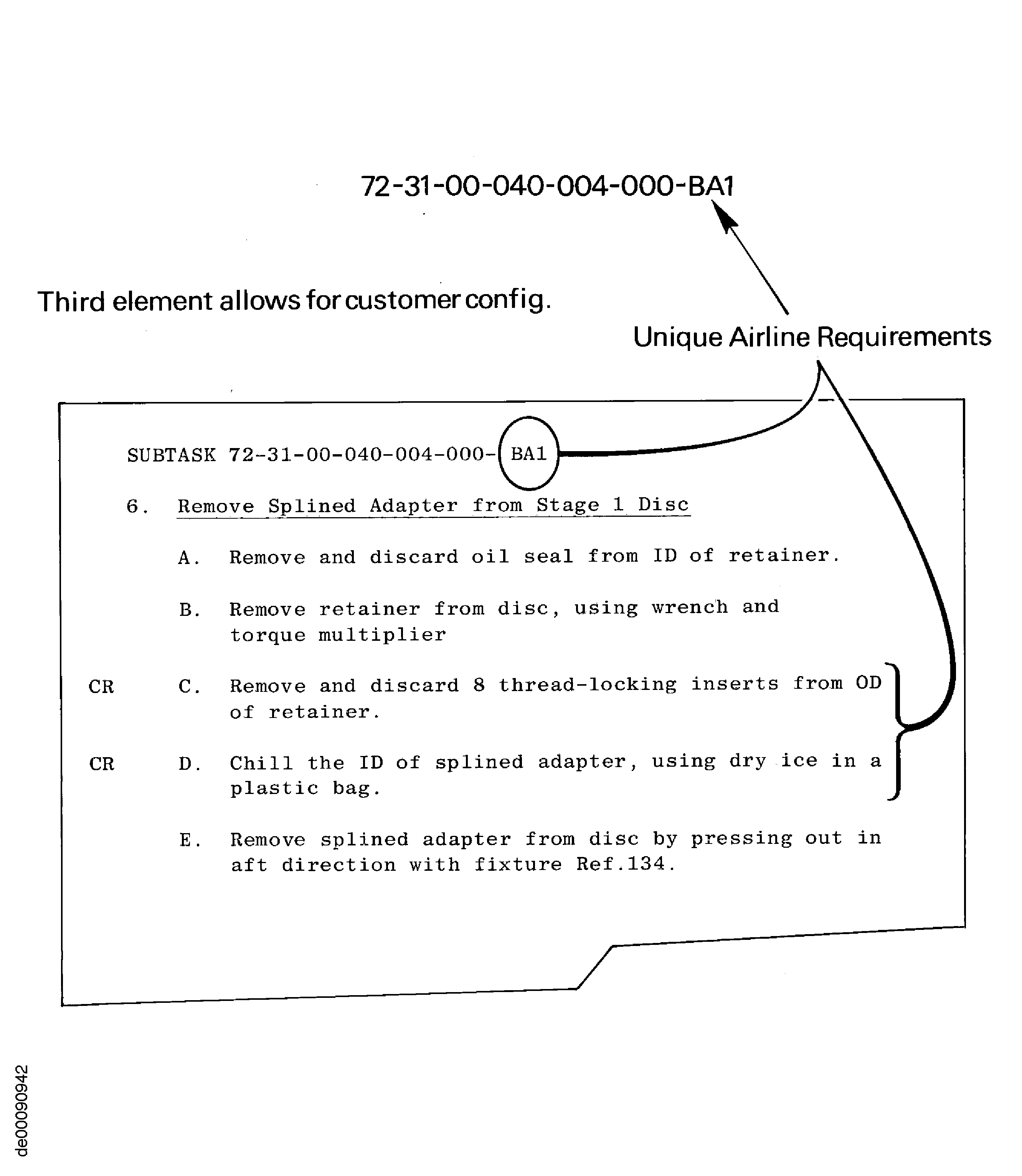
Figure: Cross reference
Cross reference

Figure: Deleted figure
Deleted figure

Figure: Sample EIPD and Special Tools, Fixtures and Equipment call-outs
Sample EIPD and Special Tools, Fixtures and Equipment call-outs
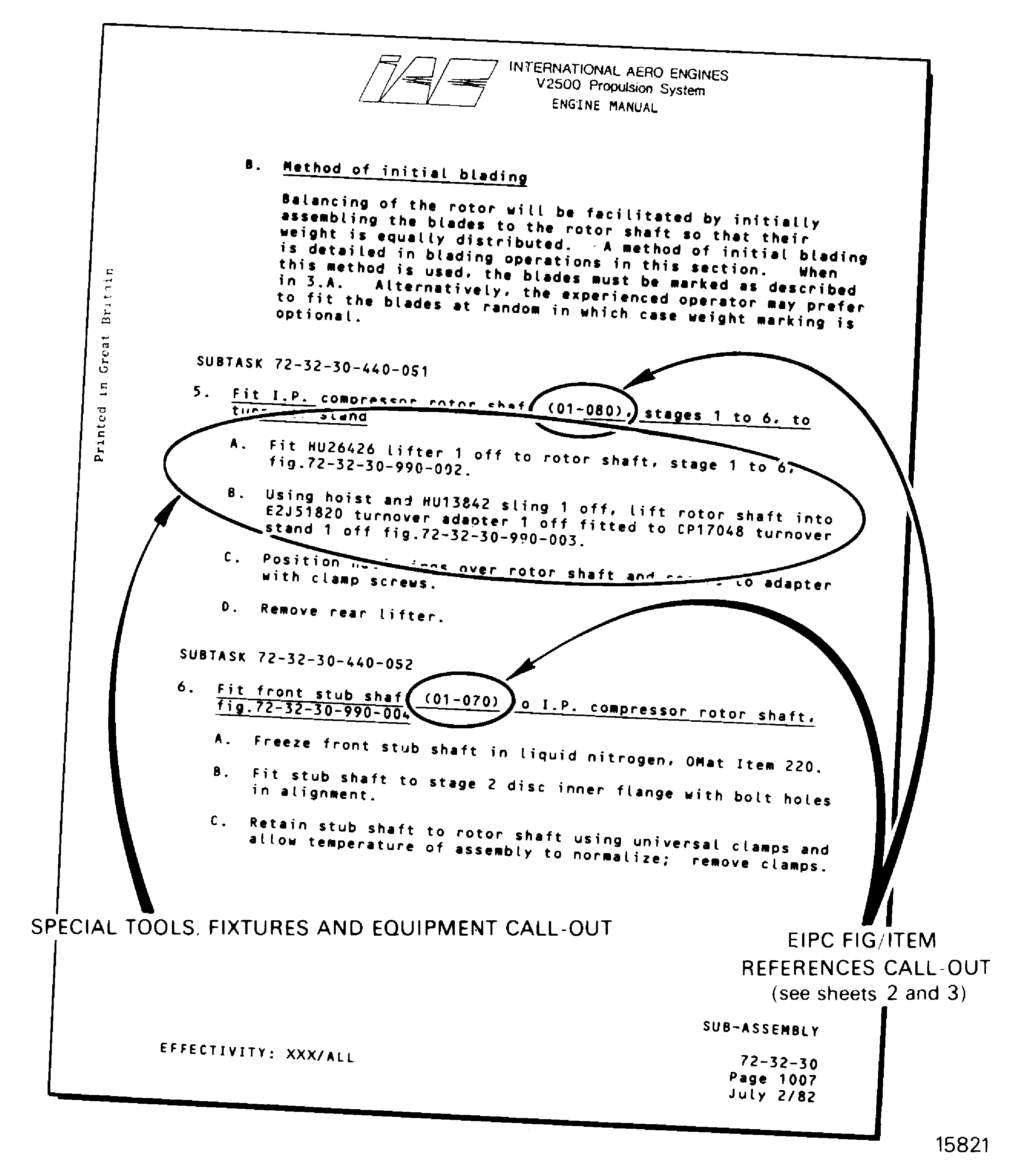
Sample EIPD and Special Tools, Fixtures and Equipment call-outs
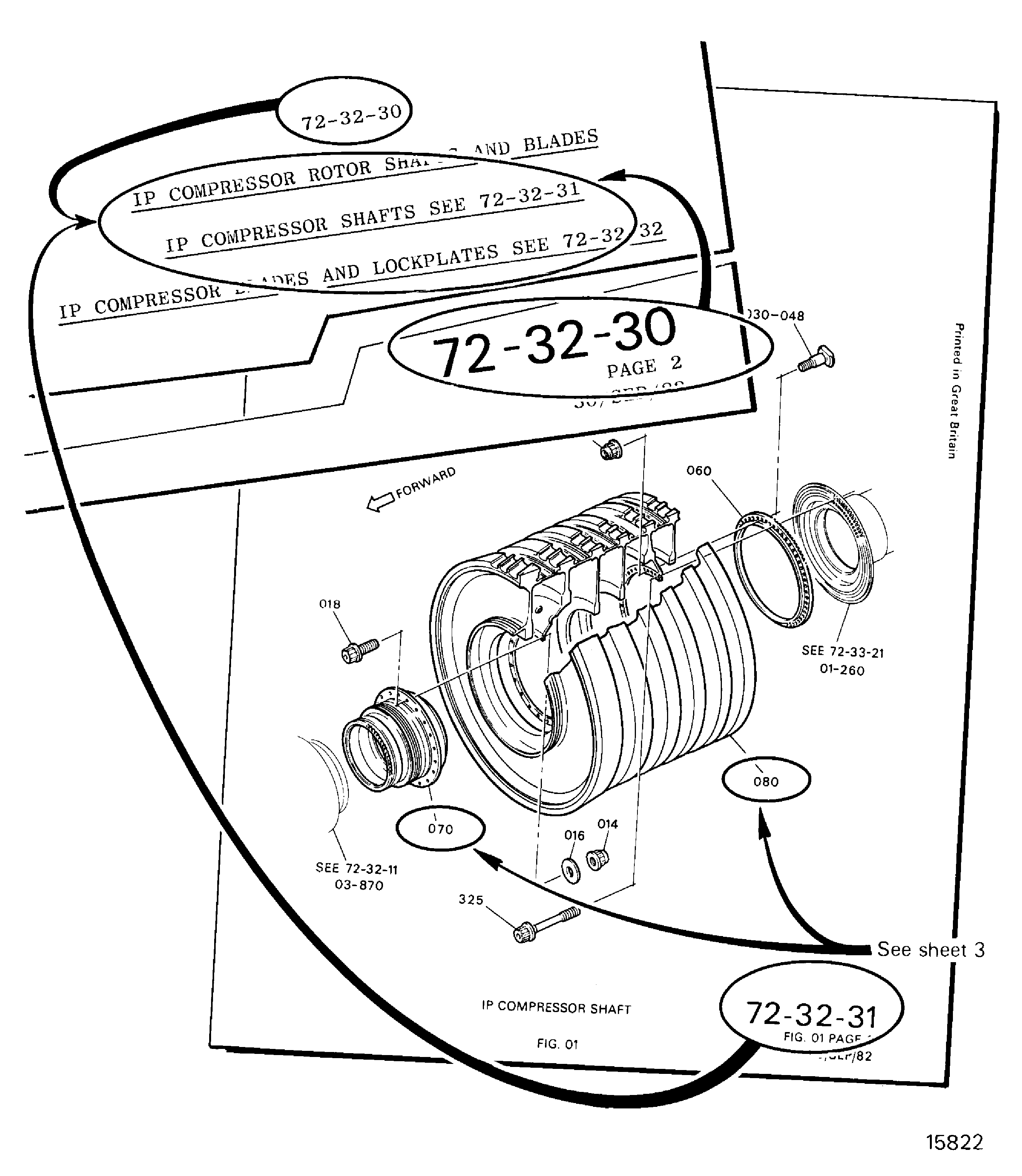
Sample EIPD and Special Tools, Fixtures and Equipment call-outs
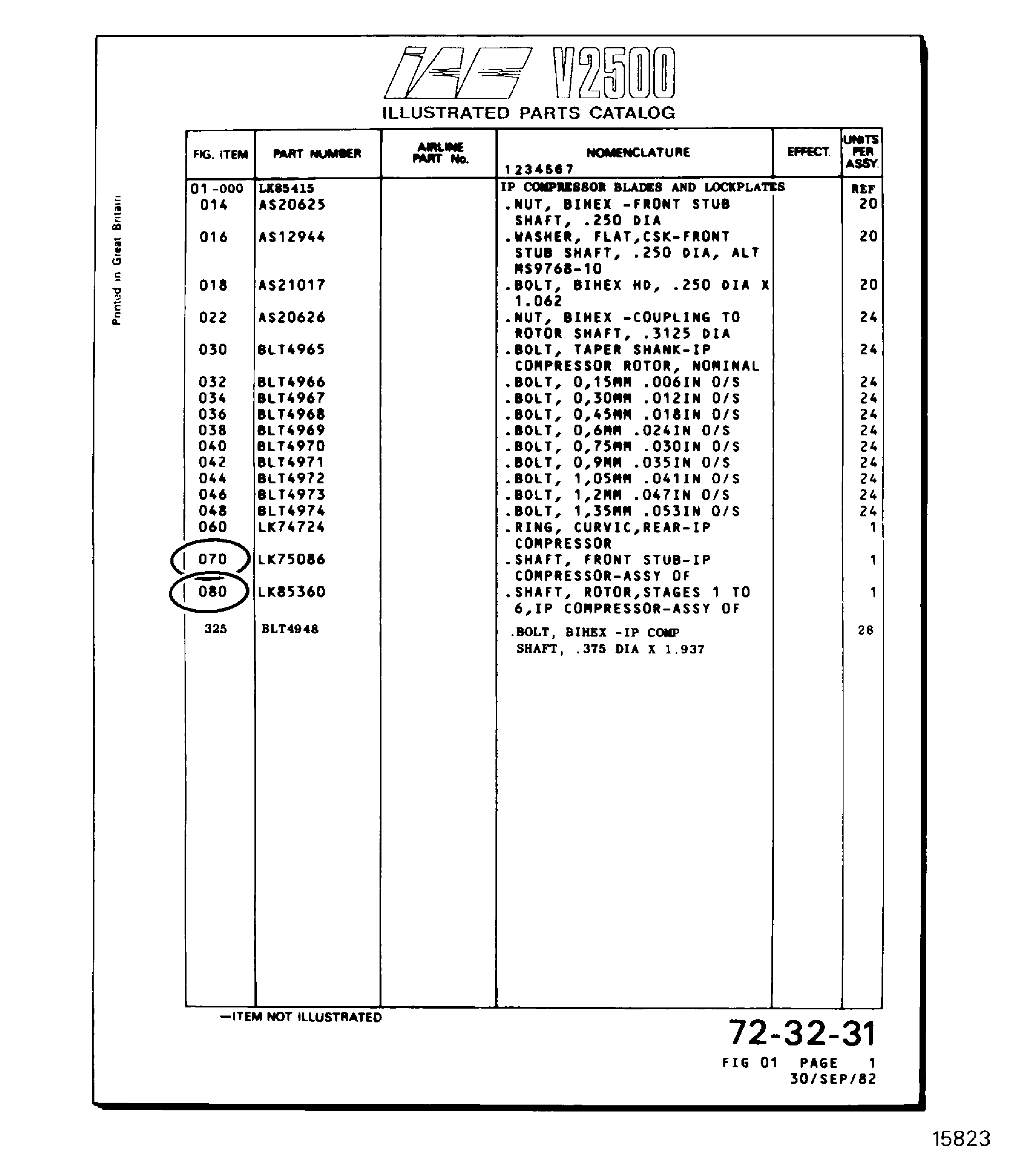
Figure: Option 1 - engine disassembly
Option 1 - engine disassembly

Option 1 - engine disassembly

Option 1 - engine disassembly

Option 1 - engine disassembly

Figure: Option 2 - engine disassembly
Option 2 - engine disassembly
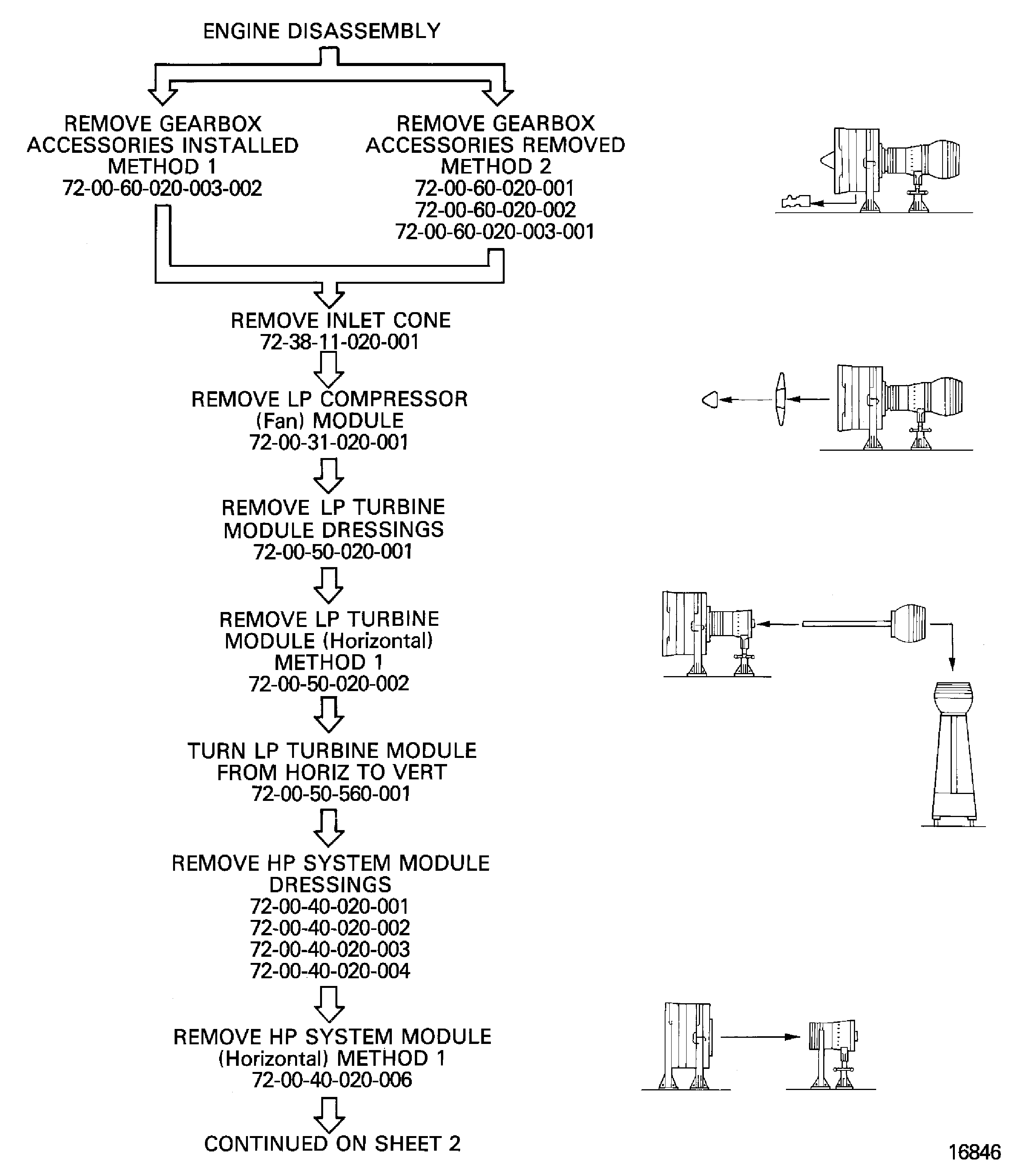
Option 2 - engine disassembly
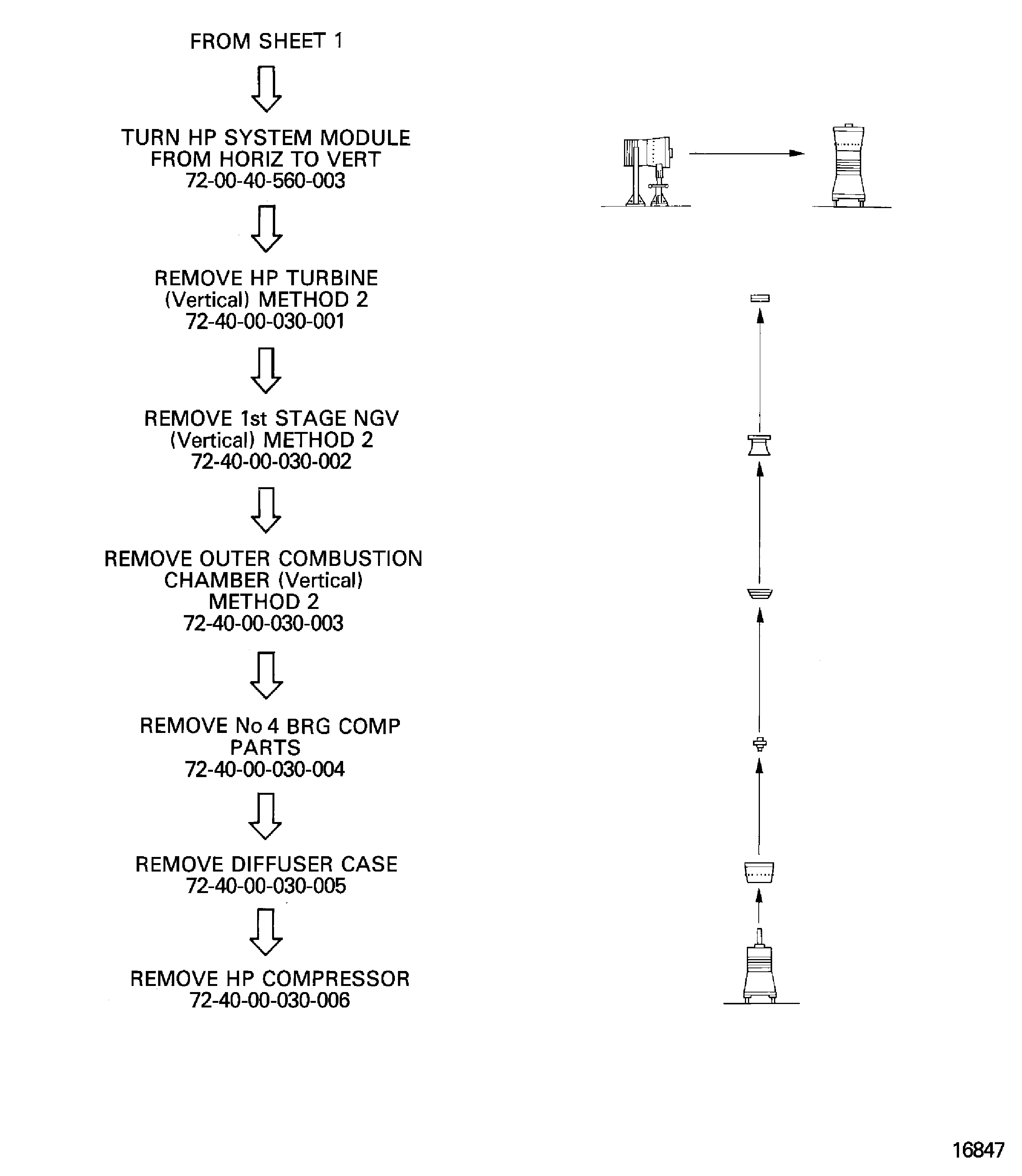
Option 2 - engine disassembly

Option 2 - engine disassembly
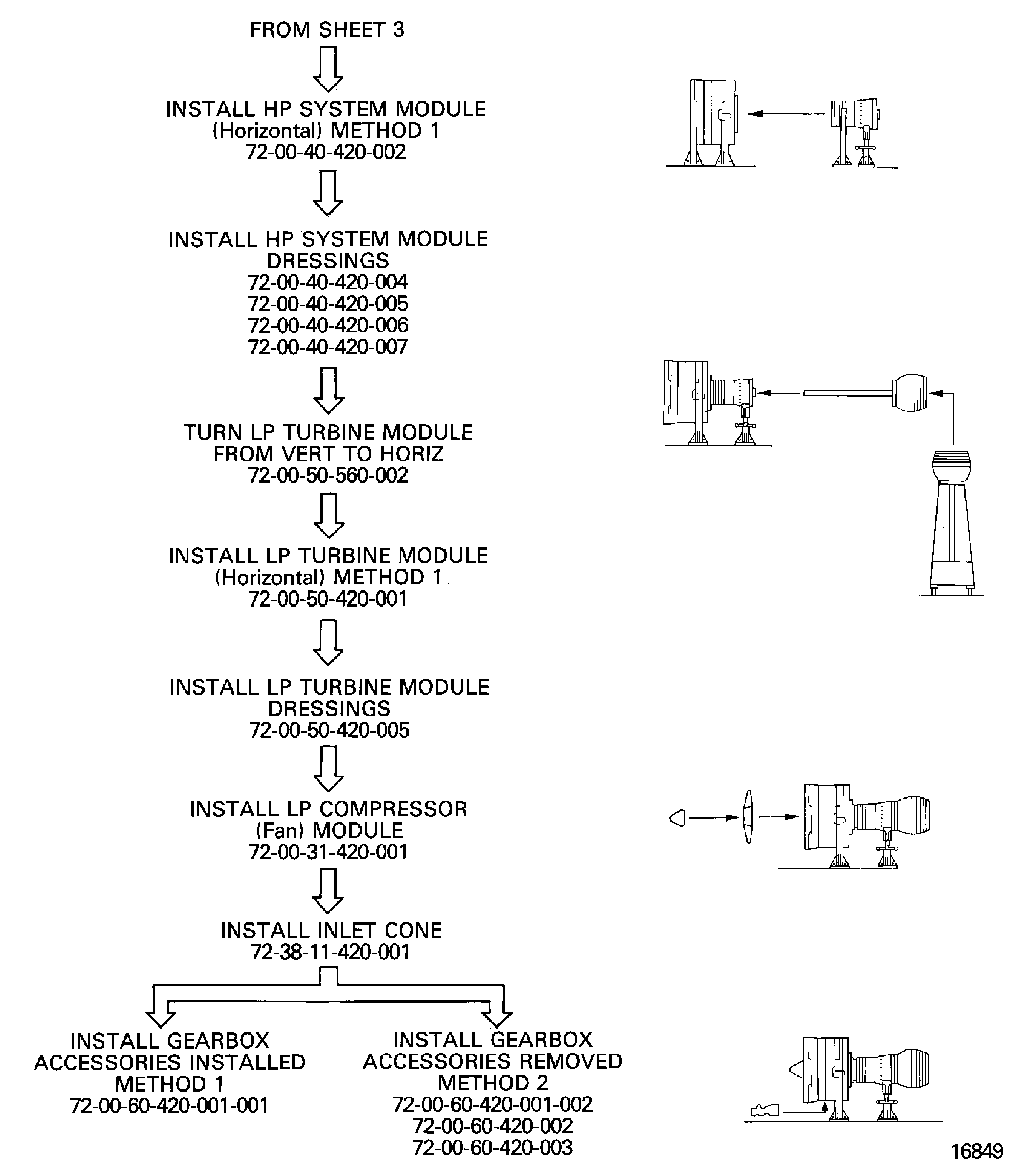
Figure: Option 3 - engine disassembly
Option 3 - engine disassembly

Option 3 - engine disassembly
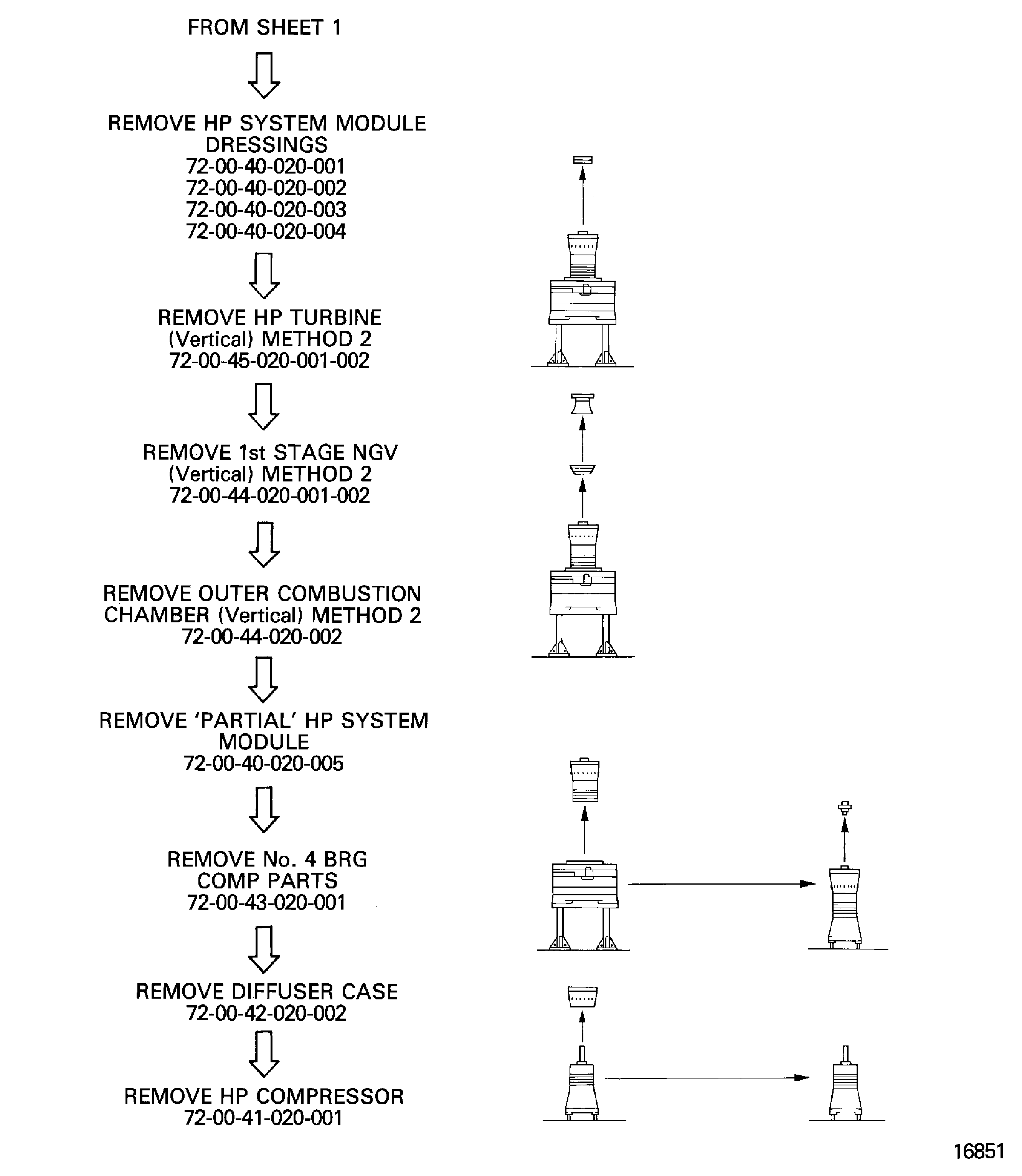
Option 3 - engine disassembly
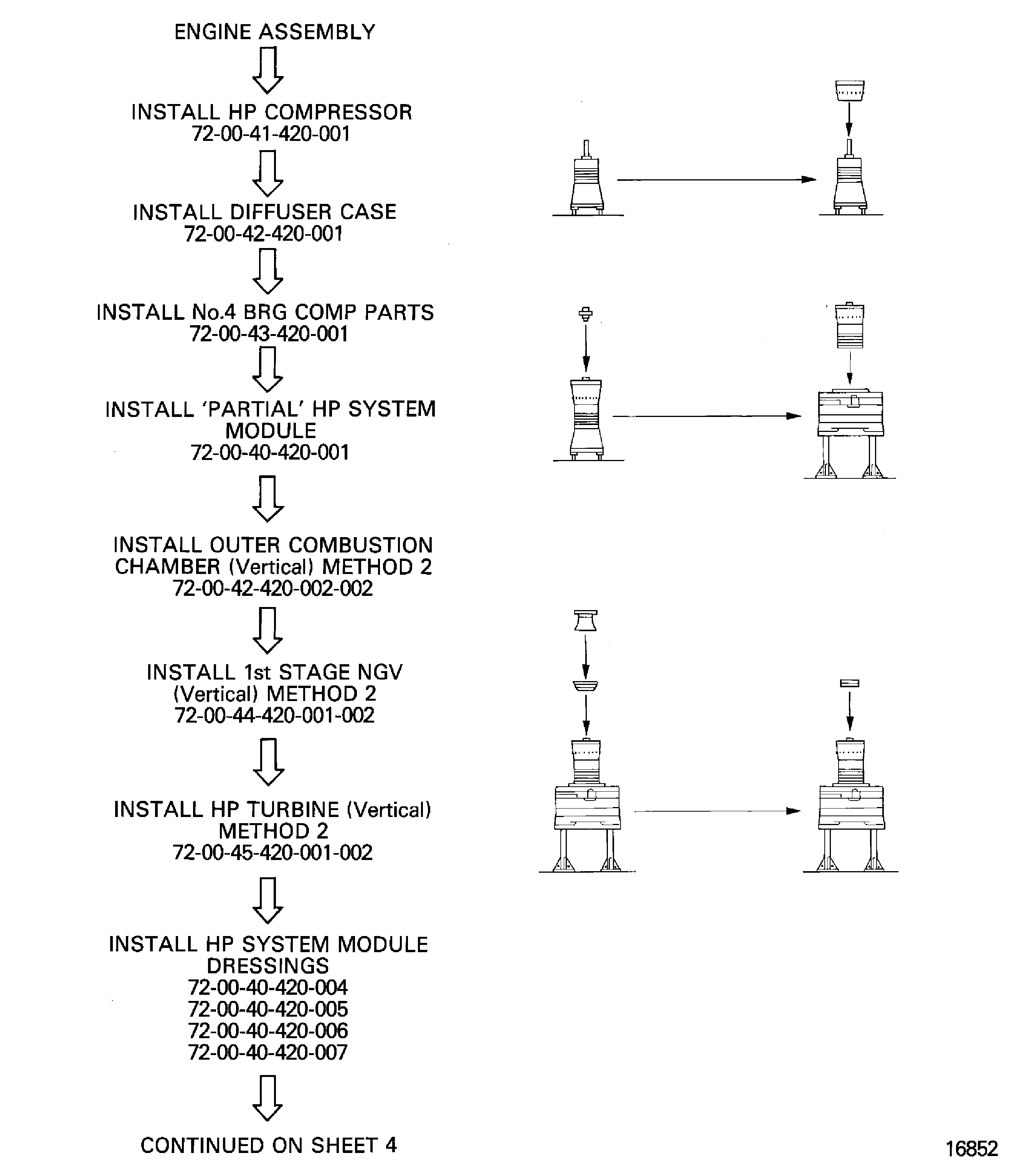
Option 3 - engine disassembly
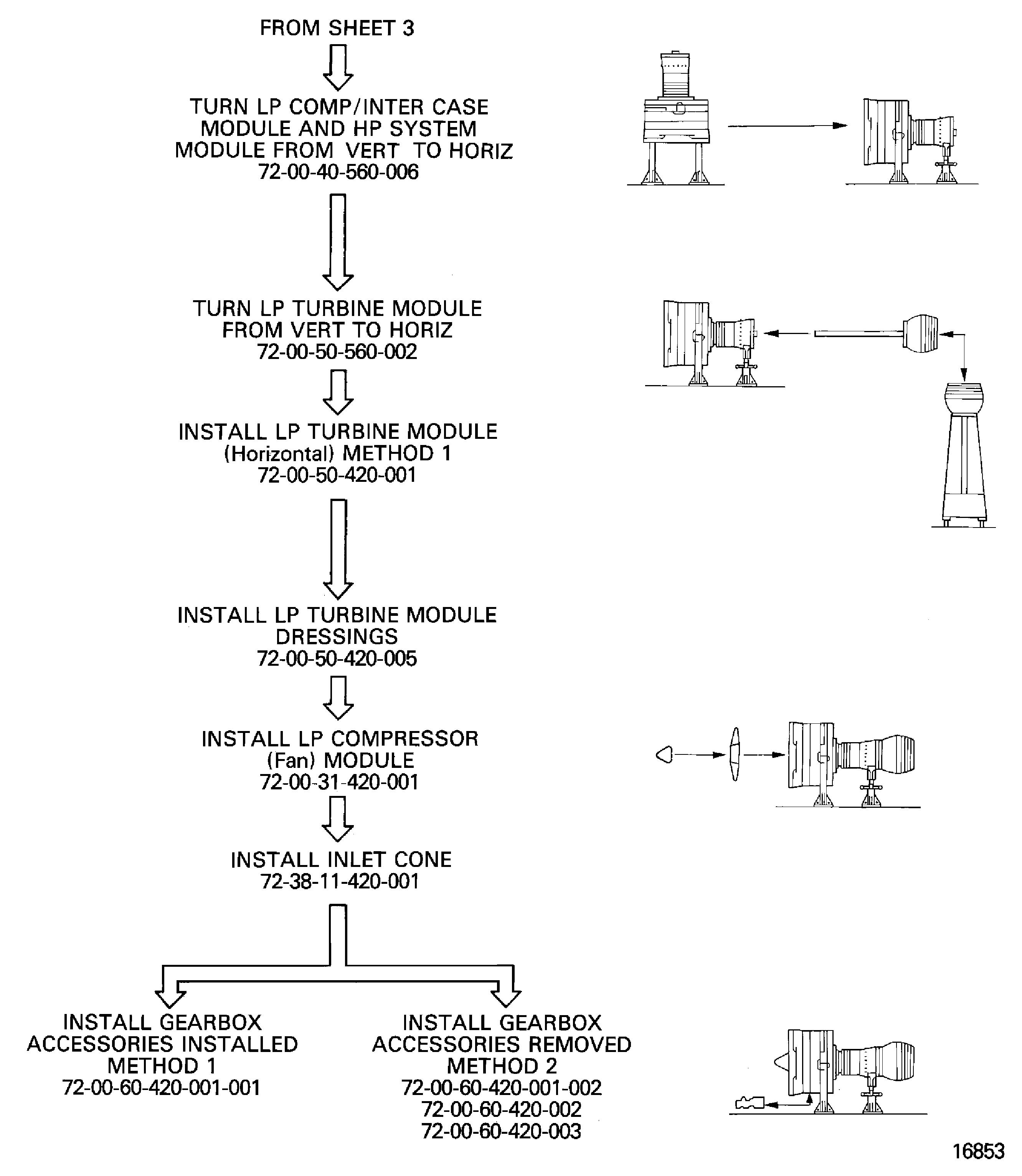
Figure: Option 4 - engine disassembly
Option 4 - engine disassembly
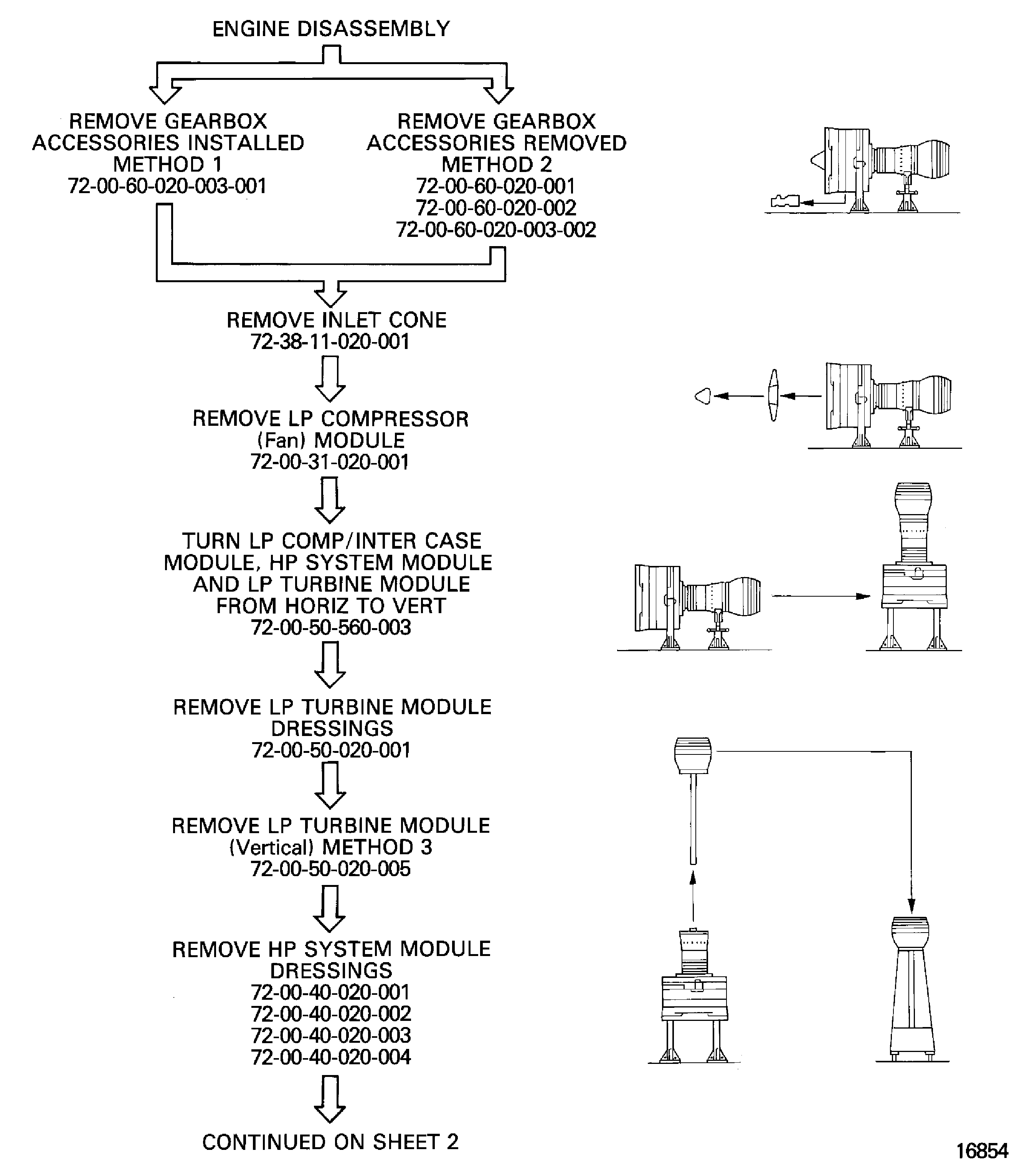
Option 4 - engine disassembly
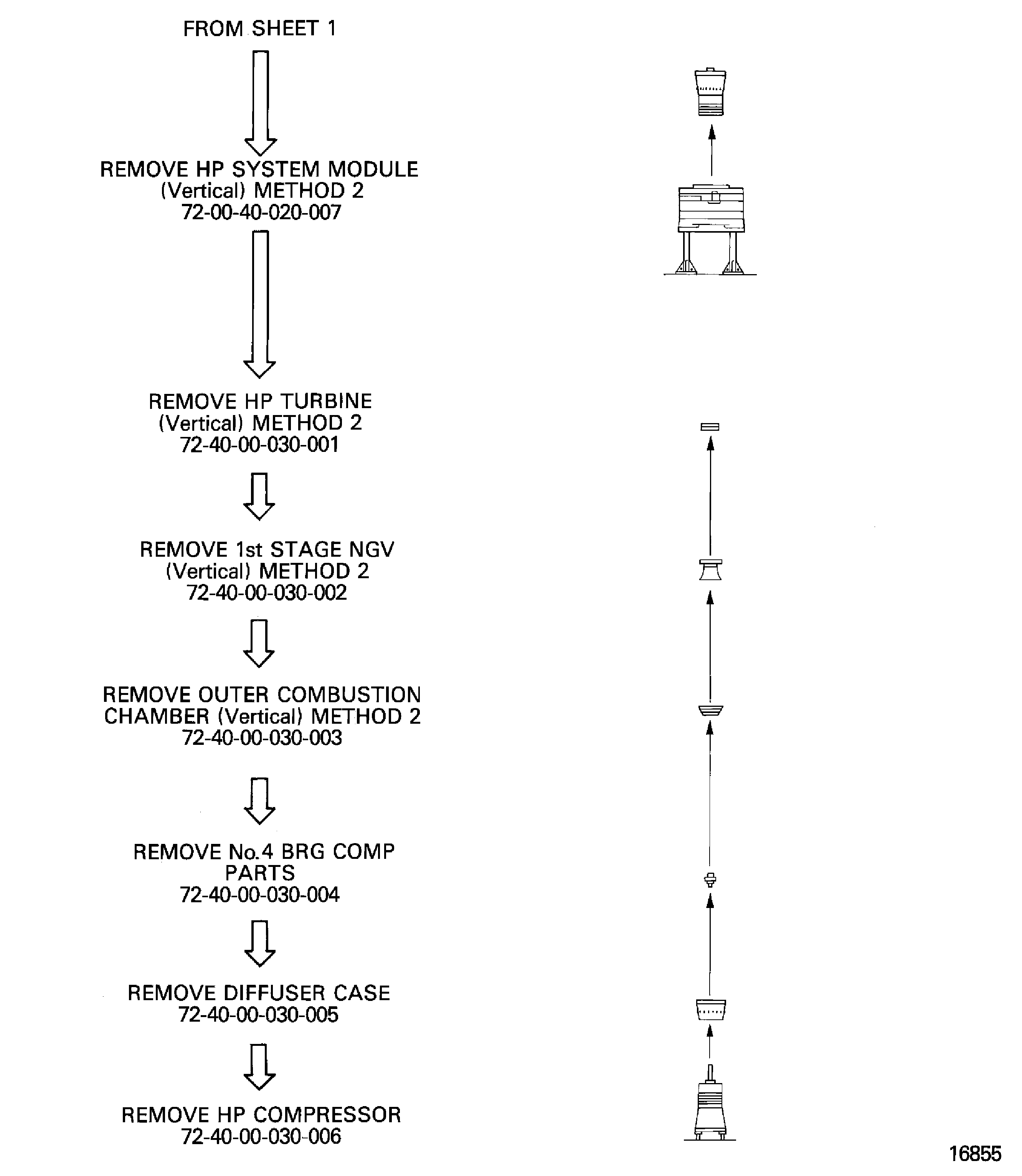
Option 4 - engine disassembly

Option 4 - engine disassembly
