
TASK 70-34-03-340-501-001 Plasma Spray Coating Application- Quality Control

DMC:V2500-00-70-34-03-01A-609A-D|Issue No:006.00|Issue Date:2021-08-01

Export Control

EAR Export Classification: Not subject to the EAR per 15 C.F.R. Chapter 1, Part 734.3(b)(3), except for the following Service Bulletins which are currently published as EAR Export Classification 9E991: SBE70-0992, SBE72-0483, SBE72-0580, SBE72-0588, SBE72-0640, SBE73-0209, SBE80-0024 and SBE80-0025.

Copyright

© IAE International Aero Engines AG (2001, 2014 - 2021) The information contained in this document is the property of © IAE International Aero Engines AG and may not be copied or used for any purpose other than that for which it is supplied without the express written authority of © IAE International Aero Engines AG. (This does not preclude use by engine and aircraft operators for normal instructional, maintenance or overhaul purposes.).

Applicability

All

Common Information

TASK 70-34-03-340-501-001 Plasma Spray Coating Application- Quality Control

Table of Contents

Introduction

Quality Control Procedure - Step

Initial Qualification - Step

Re-qualification - Step

Periodic or Routine Qualification Tests - Step

Quality Control Tests - Step

Rules for Metallographic Examination - Step

Tables - Step

Introduction

In most repair operations, the quality of the finished repair is closely related to the experience and skill of the person who does the work. Due to the number of variables involved, the experience and skill of the plasma equipment operator plays a great part in the quality of plasma coatings. This section on plasma coating quality control gives, in addition to coating quality tests, recommendations as to how this capability should be developed so that plasma equipment operators can get the necessary fundamental skill level and experience.

To get the same results every time is very important in any repair procedure. Do not rely on plasma coating as a repair tool or procedure until the equipment operator can apply different types of plasma coatings to many different types of part shapes and materials, with satisfactory results each time. To do this it will be necessary for the operator to use the plasma equipment carefully and frequently for satisfactory results.

Refer to SPM TASK 70-34-03-340-501, SUBTASK 70-34-03-340-001 and related figure for the CoMat numbers which are applicable to the IAE coating numbers.

Preliminary Requirements

Pre-Conditions

NONE

Support Equipment

NONE

Consumables, Materials and Expendables

NameManufacturerPart Number / IdentificationQuantityRemark
CoMat 08-156 ADHESIVEDQ004CoMat 08-156
CoMat 08-157 ADHESIVE11684CoMat 08-157
CoMat 08-158 ADHESIVE FILM - EPOXY,SCRIM SUPPORTED33564CoMat 08-158
CoMat 08-159 ADHESIVE04963CoMat 08-159
CoMat 08-160 ADHESIVE04963CoMat 08-160
CoMat 08-161 ADHESIVE04963CoMat 08-161

Spares

NONE

Safety Requirements

WARNING

IT IS THE RESPONSIBILITY OF THE OPERATOR TO OBTAIN AND OBSERVE THE MANUFACTURER'S MATERIAL SAFETY SHEETS FOR MATERIAL SAFETY INFORMATION (SUCH AS HAZARDOUS INGREDIENTS; PHYSICAL/CHEMICAL CHARACTERISTICS; FIRE, EXPLOSION, REACTIVITY, AND HEALTH HAZARD DATA; PRECAUTIONS FOR SAFE HANDLING; AND USE AND CONTROL MEASURES), AND ALSO TO TAKE LOCAL REGULATIONS INTO CONSIDERATION.

Procedure

    1. SUBTASK 70-34-03-860-102 Quality Control Procedure

      1. Development of Operator Capability.

        1. IAE recommends that the customer includes the subsequent qualification procedures for equipment, operators, coatings, and powders:

        2. Initial Qualification to Step.

        3. Re-qualification to Step.

        4. Periodic or Routine Qualification Testing to Step.

      1. Data Records.

      2. Record all parameters on a process operation sheet so that parameters can be related to coating defects. Refer to general data and the example of a plasma coating schedule form illustrated in SPM TASK 70-34-03-340-501.

      1. Nozzle Life.

      2. Of special interest is the rate of deterioration of the nozzle. The number of parts which can be grouped together and sprayed between sets of test panels is controlled by this rate of deterioration. This deterioration rate will help to identify a nozzle life that will deliver consistent, satisfactory performance.

    1. SUBTASK 70-34-03-860-103 Initial Qualification

      1. Equipment.

        1. Type.

          1. Included in initial qualifications:

          2. New equipment for the specific coating.

          3. Not previously qualified equipment for the specific coating.

          1. Not included in initial qualifications:

          2. Dust collectors.

          3. Turntables.

          4. Manipulators.

          5. Air jets.

        1. Test (use a qualified spray schedule).

          1. Sprayability.

          2. Metallography.

          3. Hardness test, if applicable.

          1. Sprayability testing on:

            NOTE

            Plasma spray coating families include dimensional restoration coatings, wear resistance coatings, bond coatings, abradable coatings, and thermal barrier coatings.
          2. One of each coating family as a minimum.

          3. One of the three standard base materials as a minimum.

        2. Tensile bond testing (optional).

      1. Operator.

        1. For a new operator or new operator skill level, the qualification requirements are as follows:

        2. The machine operator (that is, the coating operator who uses automated equipment) must know metal spray theory and practical examination.

        3. The manual sprayer (that is, the coating operator who uses manual or semi-automated equipment) must take extensive training course(s) with examinations on theory, practice, and on-the-job-training (OJT).

        4. The programmer/operator (that is, the coating process programmer for robots, CNC machines) must take extensive training course(s) to the manual sprayer qualification requirements with additional training in spray equipment programming.

          NOTE

          Commercially available courses/training are:
          1. European Welding Federation (EWF) - European Thermal Spray Course.

          2. American Welding Society (AWS) - Performance Qualification Testing.

        1. The repair facility must supply the training to meet the operator skill requirements, by the methods as follows:

        2. On-the-job-training (OJT).

        3. Theoretical and practical courses and examinations.

        4. Process equipment programming.

      1. Coating.

        1. For new coating, new powder (manufacturer or product number), or new spray process parameters, examine the coating by these tests:

          1. Sprayability test (uses a flat panel).

          2. Metallography.

          3. Hardness test, if applicable.

          1. Tensile bond test.

          2. Test the bond on each standard base material.

      1. Part (Engine Component Being Repaired) - Qualification Of A Coating On A New Part.

        1. Evaluate the coating on the engine part to the repair requirements and establish the correlation with process test coupons.

          1. Test coupons must be fully representative of the coating repair process.

          2. The test coupon alloy must be representative of the engine part alloy that is to be coated.

          3. The test coupon configuration must be representative of the engine part to be coated.

          4. The test coupons must be held in a fixture similar to the engine part to be coated.

          1. For a representative engine part for metallurgical evaluation, use one of these types of parts:

          2. A scrap part with a coated area representative of the repair.

            1. A simulated part with these features:

            2. A similar geometry.

            3. A representative alloy. See Table 1 (in Step) for representative materials/alloys for test panels and bond strength specimens).

            4. A coating area representative of the repair.

          1. Coating requirements include:

          2. Coverage.

          3. Thickness.

          4. Metallographic structure.

          5. Hardness test, if applicable.

    1. SUBTASK 70-34-03-860-104 Re-qualification

      1. Equipment.

        1. Re-qualification of equipment is necessary when significant changes are made to the equipment.

          1. Significant changes include, but are not limited to:

          2. Controller.

          3. Gun.

          4. Cooling system.

          5. Rectifier.

          6. Significant re-calibration of process controls.

          7. Equipment relocation.

            NOTE

            Use a qualified plasma spray schedule.
        1. Necessary Tests.

          1. Sprayability test (use a flat panel).

          2. Metallography.

          3. Hardness test, if applicable.

          4. Sprayability test on one of each coating family as a minimum.

          5. Sprayability test on one of the three standard base materials as a minimum.

          6. Tensile bond test (optional).

      1. Operator.

      2. Active operators must re-qualify every two years.

      3. Operators inactive for six consecutive months must get re-qualified.

        1. Re-qualification by skill level is as follows:

        2. For the machine operator, successful examinations on theory and practice.

        3. For the manual sprayer (manual spraying or semi-automatic), successful examinations on theory and practice.

        4. For the programmer/operator (CNC- and PC-assisted spraying), successful examinations on theory and practice.

      1. Coating.

        1. Re-qualify coating spray schedules at least one time each year for all materials being sprayed on specific spray equipment.

        2. Re-qualification frequency can be extended when SPC (Statistical Process Control), or equivalent, is used.

        1. Necessary Tests.

          NOTE

          Use a flat panel.
          1. Sprayability test.

          2. Metallography.

          3. Hardness test, if applicable.

        2. Sprayability test on at least one of the three standard base materials.

      1. Part.

        1. Part re-qualification is necessary when the coating failed inspection.

        2. If an assignable cause for the failure can be identified that is outside the qualified process parameters, do the test again.

        3. If the test results are satisfactory, no re-qualification is necessary.

        1. Part re-qualification is necessary if the process coupon is visually or dimensionally unsatisfactory to correlate with the repair coating.

        2. If the root cause for the rejection can be identified and no process change is necessary, do the test again.

        3. If the results are satisfactory, no re-qualification is necessary.

    1. SUBTASK 70-34-03-860-105 Periodic or Routine Qualification Tests

      1. Equipment.

        1. Test at intervals of time to make sure that each equipment set-up works satisfactorily. Do this test:

          1. Sprayability test (use a flat panel).

          2. Metallography.

          3. Hardness test, if applicable.

      1. Part.

      2. Test at intervals of time to make sure of continued quality and to agree with the SPC (Statistical Process Control) or quality plan.

        1. Test the scrap part or representative test piece by:

        2. Metallography.

        3. Hardness test, if applicable.

      1. Operator.

      2. Test at intervals of time to make sure that the operator's work is satisfactory.

      1. Powder.

        1. Test the individual batches of powder at intervals of time to make sure of continued quality and to agree with the SPC (Statistical Process Control) or quality plan by:

          NOTE

          Use a flat panel.
          1. Sprayability test.

          2. Metallography.

          3. Hardness test, if applicable.

    1. SUBTASK 70-34-03-860-106 Quality Control Tests

      NOTE

      Test panel and bond strength specimens are to be representative of the process being qualified except it is necessary to use No. 60 alumina grit for bond specimen preparation.
      1. Test Materials.

        1. Test panel and bond test specimen materials are given in Table 1 (refer to Step) for the three general types of engine part materials.

          1. Metallographic Test of Panel Coating Thickness.

          2. Single coating thickness for metallographic evaluation should be between 0.008 and 0.012 inch (0.204 and 0.304 mm).

          3. For IAE 53-33, the coating thickness must be equivalent to the part thickness.

          4. Duplex (two-layer) coating thickness for metallographic evaluation should be between 0.003 and 0.008 inch (0.077 and 0.203 mm) for the bond coat and between 0.008 and 0.012 inch (0.204 and 0.304 mm) for the topcoat.

      1. Bond Strength Test.

      2. Coating Thickness for Bond Strength Test (See Table 2 in Step).

        NOTE

        IAE configuration is the type shown in Figure and Figure.
        1. Specimen Configuration.

          1. Coating.

          2. Spray directly onto specimens or onto buttons.

          1. Substrate (Bond Bar).

          2. Pinned grip (see Figure for Type 1A.).

          3. Threaded grip - internal or external (see Figure for Type 1B.).

          4. Button-pinned or threaded grips (see Figure for Type 2A and Figure for Type 2B.).

          1. Substrate Preparation.

          2. Clean the test pieces by the same process as you use on parts.

            NOTE

            When you touch the test piece, use the same care and methods that you use on the engine parts.
          3. Blast with No. 60 grit alumina to get a matte finish. Blast parameters must be representative of the production process.

          1. Coating of Bond Bars.

            1. Process Parameters.

            2. Torch spray angle must be 90 degrees +/- 10 degrees.

            3. All other parameters must be the same as the process being qualified.

          2. Equipment can be manual or automated.

          1. Coating Thickness Control.

          2. Measure coated specimens with a calibrated ball micrometer.

            NOTE

            It is necessary to include an uncoated control test specimen (dummy) along with the actual test specimens to make sure that the adhesive is satisfactory.
        1. Bonding.

          1. Adhesives.

            1. Adhesives (2500 psi (17236.9 kPa) minimum strength) for abradable and porous coatings are:

            1. Adhesives (8000 psi (55158.1 kPa) minimum strength) for all other coatings are:

            2. Other OEM-approved equivalents.

          1. Bonding Test Bars.

            1. Prepare dummy substrate by:

            2. Solvent wipe (or equivalent).

            3. Grit blast with No. 60 grit or finer alumina.

            1. Alignment.

            2. V-block (or equivalent) method.

            1. Adhesive Cure Cycle.

            2. Refer to the manufacturer's requirement.

            1. Cured Adhesive Edge Clean Up.

            2. Use any method that removes excess adhesive and coating by abrasion on the sides of specimens.

            3. The method must not significantly change the test bar geometry.

            1. Coated Test Bar Surfaces.

            2. Light sanding of the coated surface to remove loose particles is permitted.

        1. Test.

        2. Use Tensile Test Equipment with 20.000 psi (140 MPa) minimum capability.

        3. Test to the procedure in ASTM C-633.

          1. Number of Test Specimens.

          2. Not less than three specimens for each coating/substrate combination in one test group.

          3. Not less than one uncoated control test specimen (dummy).

        1. Data Analysis.

          1. Record Test Failure Mode.

          2. Record of failure location, percent coating, and adhesive failure is optional but is suggested to help in trend analyses.

        2. Record Tensile Strength At Failure.

        1. Test Evaluation And Disposition Criteria.

          1. Valid Test.

          2. One hundred percent rupture through the coating.

          3. One hundred percent rupture through the epoxy above the minimum bond strength.

          4. Any rupture through the coating or coating and epoxy above the minimum bond strength.

          1. Invalid Test.

          2. One hundred percent epoxy failure at less than the minimum bond strength.

          1. Pass.

          2. All valid data points in one test group must meet the Standard Practices/Processes Manual (SPM) minimum regardless of the failure location.

          1. Fail.

          2. Any individual data point that does not agree with the Standard Practice/Processes Manual minimum regardless of the failure location.

          1. Re-test if the test was invalid.

          2. Do not re-test the same samples.

          3. New specimens are necessary.

          4. It is recommended that the same coating parameters be re-tested.

          1. Re-test if the test was failed.

          2. Do not re-test the same samples.

            NOTE

            It is recommended that the coating parameters be evaluated and adjusted to improve performance.
          3. New specimens are necessary.

          1. Frequency of Testing.

          2. Test by the Quality Control Program in SPM TASK 70-34-03-340-501-001, Plasma Coating Quality Control Tests.

      1. Metallographic Preparation.

        1. Equipment.

          1. Tooling to prepare metallographic samples.

            1. Section the samples with:

            2. Cut-off wheels.

            3. Diamond wire.

            4. High pressure waterjet cutting.

            5. Other suitable method.

            1. Cleaning materials and equipment.

            2. Solvents.

            3. Soap and water.

            4. Ultrasonics.

            5. Oven.

          2. Mounting equipment.

          3. Grinding/polishing equipment.

          4. Microscope.

          5. Other.

        1. Qualification/Certification of the Metallurgist/Metallographer/Equipment/Laboratory.

        2. For the preparation of the test specimens and the interpretation of photomicrographs, the operator must have considerable experience and practice, as well as full knowledge of the equipment available in a given laboratory.

        3. Because the metallographic equipment is a key component in the production and evaluation of the specimen, the equipment must undergo regular maintenance and calibration.

        4. The correct interpretation of the specimen is of greatest importance. The personnel who do these procedures and compare the results to standards, must have training to do these functions correctly. Thus, the supplier's quality system should include equipment maintenance and calibration as well as training for all metallographic personnel to correctly do all the necessary functions and analyses.

        1. Metallographic Preparation.

          1. General.

            1. Metallographic preparation of thermal spray samples includes the preparation of a composite specimen composed of the coating and substrate material. Coating types can vary from soft porous abradables to dimensional restoration metal build-ups to hardface materials. Many coatings with similar properties can be prepared by a universal standard method; but, there can be special considerations for materials at the soft or hard end of the spectrum. It is permitted to use methods developed for cast or wrought metallic samples for coatings with these two considerations:

            2. Coatings are more heterogeneous in nature than wrought and cast metals.

            3. Coatings are more sensitive to smearing and mechanical damage during preparation.

          2. Semi-automated or automated grinding/polishing equipment for thermal spray materials will improve repeatability and consistency as compared to polishing by hand.

          1. Microstructure Test Panel Size.

          2. Minimum panel size must be 1.5 inches (38.1 mm) long X 0.75 inch (19.05 mm) wide X 0.060 inch (1.524 mm) thick.

          3. If the minimum panel size is not possible, coated panels used for metallographic evaluation must be large enough to prevent edge effects.

          1. Sectioning.

          2. Many spray shops do not find sectioning necessary because they spray a small sample that can be mounted and then ground/polished to an applicable plane for review/interpretation.

            1. If sectioning is necessary, the two common methods are:

            2. Abrasive wheel cutting.

            3. Diamond wire cutting.

            1. Sectioning considerations.

            2. The spray direction can influence the metallographic result.

            3. Always section with the cut force from coating to substrate.

            4. The specimen must be cut through the width. Minimum separation between cuts must be 0.5 inch (12.7 mm).

            5. Use minimal clamping pressure, and, if possible, a soft cushion (for example wood) to secure the specimen for sectioning. This will minimize possible cracks in the coating and change to the structure.

            6. A thin sectioning wheel will minimize damage, which must be removed in subsequent steps.

            7. Apply minimum pressure during actual cutting to minimize possible overheating of the specimen and a change to the structure.

            8. Wheels that have a binder that breaks down easily to show fresh cutting surfaces are usually best for a wide range of coatings.

            9. For the choice of sectioning method, it is very important to keep written procedures and identify the critical parameters requiring control for consistent techniques.

          1. Cleaning.

          2. Remove all contamination from the surface of the specimen.

          3. Remove all fluids that penetrated the coating.

            1. Recommended methods can include one or more of these methods:

            2. Washing with soap and water.

            3. Brushing or soaking of sample in solvent-like materials (such as acetone/alcohol) followed by application of heat with possibly a heat gun or hot plate to drive off any internal absorption.

            4. Cleaning of sample with an initial/extra vacuum step (if you use a vacuum impregnation in mounting) to make volatile the material that is caught in the part.

            5. CAUTION

              BE CAREFUL THAT YOU DO NOT CAUSE DAMAGE TO THE COATING MICROSTRUCTURE DURING ULTRASONIC CLEANING.

              Ultrasonic cleaning can be used to remove contamination.

          1. Mounting.

          2. Mounting is very important as it adds to the integrity of the sample during grinding/polishing.

            1. Methods for mounting coated materials.

            2. Hot mounting (in a press). Use this method only if the characteristics that follow are not evaluated: Transverse cracks, delaminations, separation, and porosity.

            3. Cold Mounting (can be helped by heat, vacuum impregnation, or pressure impregnation).

            1. Typical mounting materials for coatings (see Figure).

            2. Hot Mount (epoxies or Bakelite).

            3. Cold Mount (epoxies).

            1. Considerations for the choice of mounting procedure/material.

            2. Time available for mounting.

            3. Size, frequency, and the degree of interconnected porosity in the coating.

            4. Necessary viscosity of epoxy for impregnation of porosity, if important.

            5. Hardness of coating compared to the hardness of the mounting material.

          3. For porous coatings (such as, abradables, thermal barrier coatings (TBC), and other materials), cold mounting with vacuum impregnation alone and/or pressure impregnation is recommended. The viscosity of the cold mount epoxy will be important if the porosity in the coating is small and is not easy to impregnate.

          4. A well-impregnated sample will also show fewer tendencies towards pullout of phases and microstructure damage.

          5. For the choice of mounting method/material, it is very important to keep written procedures and identify the critical parameters necessary for the control of consistent techniques.

          1. Grinding and Polishing.

          2. There are many methods/formats available for the preparation of coating samples. The primary items include the usual grinding papers and the newer disc systems.

          3. The critical parameters that must be considered /controlled in preparation are given in Table 3 in Step.

          1. Considerations for the choice of preparation method for a coating type.

          2. Material removal rate.

          3. Hardness of the coating compared to the abrasive type.

          4. Tendency of coating phases to be pulled out.

          5. Composition of coating phases to prevent chemical attack.

          6. Degree of impregnation from the mounting.

          7. Tendency of smearing (closing porosity).

          8. Sample size.

          9. Tendency of the coating to crack.

          10. Edge retention.

        2. During the initial grinding, carefully remove the cut-off damage if the sectioning step was used. If an as-sprayed coupon is used, it is necessary to remove sufficient material to prevent coating edge effects.

        3. CAUTION

          BE CAREFUL TO PREVENT OVERPOLISHING IN THE FINAL STEPS OF PREPARATION.

          Polishing formats for coatings usually include moderate to extended times on no nap cloths followed by short finishing steps on higher nap cloths.

        4. Typical procedures that include both grinding paper and disc formats are shown in Tables 4 and 5 in Step. These procedures will require modification for different coating types and equipment available in the specific laboratories.

          1. Equipment is available that will control some or all of the critical parameters. These semiautomatic/automatic machines together with written procedures that monitor/control critical parameters will give consistent and reproducible results.

          2. Regular calibration and maintenance of the equipment will help to give reliable results.

        5. Repolishing and regrinding of metallographic samples can be necessary if the metallographic preparation process causes a rejectable (unsatisfactory) condition.

        1. Consumables.

        2. Consumables used in the metallographic process are very important to the end result. It is important to use high quality materials to be sure that you get reproducible and consistent results.

        3. Although consistency from a reliable manufacturer is usually good, products from company to company can vary due to lack of standards within the industry. Changes in consumable suppliers should be carefully considered.

          1. If changes are made to an already established procedure with new consumables, it is recommended that some trial samples be run to make sure you get similar performance and results. Some examples of material variability are as follows:

          2. The amount of grit deposited on a grinding paper can vary and can cause removal differences during grinding.

          3. The amount of diamond in a suspension, its shape and particle size, and distribution can result in rates of removal that change during polishing.

          4. Changes in the type of carrier in a suspension can have an effect on the material removal rate and performance of the grinding paste. This can also have an effect the corrosion potential of the solution.

        1. Use of Physical Metallographic Standards.

          1. A relatively new concept is the use of metallographic standards to understand the reliability of metallographic equipment and consumables. These standards can be used in the same way calibration blocks are used to test the repeatability of hardness machines. The microstructure of these standards must be fully documented before their use in this exercise. By polishing a sample of known quality, a comparison can be made between the new metallographic process and the old and accepted process. If there are little or no differences in the old and new processes, it is permitted to use the new metallographic process. Typical situations where this new procedure is used are:

          2. Periodic sampling, self-auditing, or a machine not used for an extended period of time.

          3. Metallographic results that show a harmful change to the coating with no known cause connected to the spray process.

          4. Introduction of new consumables, equipment, or grinding/polishing methods.

        1. Microhardness.

        2. Some characteristics of thermal spray coatings (for example, pores, splat boundaries, and phases) can have an effect on hardness readings.

          1. Use the subsequent steps to make sure that the hardness values represent the coating's true properties. (Refer to RULE 14 in Rules for Metallographic Examination in Step.).

          2. For homogeneous coatings (one phase or constituent), it is usually possible to evaluate the coating with a load lighter than the load used for coatings that are less homogeneous.

          3. Hardness impressions are less accurate in areas where the coating does not have its usual qualities, as on coating edges, interfaces and surfaces with unusual inclusions (for example, large pores or unmelted particles).

          4. The size of the hardness impression must be sufficiently large to be typical of the coating microstructure and not any specific phase.

          5. If the coating thickness specified is less than that which will make it possible to do a satisfactory microhardness inspection, apply the coating to a sample to a thickness sufficient for the hardness test. (See RULE 3 in Rules for Metallographic Examination in Step).

        1. Metallographic Definitions For Coated Test Samples.

          1. Coating Contamination: Unwanted (foreign) material present in the coating.

          2. This contamination can be in the form of metallic or ceramic particles. These particles can come from sources such as nozzle hardware and contaminated power feed systems. See Figure.

        2. Crack: A linear or branched separation with a general perpendicular direction within the coating. See Figure.

          1. Delamination: A separation or horizontal defect that follows, or is associated with, the contour of the laminar build-up of the coating layers. See Figure.

          2. For linear interface defects, refer to Separation.

        3. Integrity: The overall quality and soundness of the coating. The integrity of a coating with only one defect (for example, oxide clusters, massive porosity, or unmelted particles) can be considered acceptable (satisfactory) but integrity can become considered rejectable (unsatisfactory) if there are more than one of these defects. Coatings are also considered rejectable (unsatisfactory) that have excessive segregation or an uneven distribution of defects, phases, or coating components. Individually, these features could be within their metallographic limits, but, when concentrated in a localized area, could become a possible problem. See Figure.

        4. Interface Contamination: Embedded unwanted (foreign) particles or contamination between the base metal and the coating. This contamination can be in the form of oxides, grit, or coating remaining from previous stripping operations. See Figure.

          NOTE

          It is very important for all personnel to know that there can be size differences between the photographic field of view and the microscopic field of view.
        5. Field of View (FOV): A unit area as viewed or photographed with normal light microscopy. Used as a unit of measure to help determine the percent that a particular feature or condition occurs. To examine specific rejectable (unsatisfactory) conditions, count the affected number of fields of view. Fields of view must not overlap and must be of random selection.

          1. Frequency Of Occurrence: Coating conditions and how frequent they are have these definitions:

            1. Negligible.

            2. Less than 1 percent.

            3. A one time occurrence or a condition that occurs in quantities that are too small or too few to measure.

            1. Isolated.

            2. 1 to 5 percent.

            3. A condition that occurs in a very small number of locations.

            1. Occasional.

            2. Greater than 5 percent to 16 percent.

            3. A condition that occurs in a small number of locations and at intervals that are not frequent.

            1. Intermittent.

            2. Greater than 16 percent to 40 percent.

            3. A condition that occurs in a moderate number of locations and at intervals that are frequent.

            1. Predominant.

            2. Greater than 40 percent to 90 percent.

            3. A condition that occurs in a large number of locations and at intervals that are very frequent.

            1. Predominant.

            2. Greater than 40 percent to 90 percent.

            3. A condition that occurs in a large number of locations and at intervals that are very frequent.

            1. Continuous.

            2. Greater than 90 percent to 100 percent.

            3. A condition that occurs fully (completely) or almost fully (completely) (that is, with no interruptions or with only isolated interruptions). This condition applies to linear-type conditions only (for example, interface conditions).

        6. Lack of bond: Refer to Separation.

        7. Layering: Stratification of coating components or features. See Figure.

        8. Massive Porosity: A large pore (hole) or a cluster of small pores (holes) in a specific area. See Figure.

        9. Multilayer coating: Two or more coating material layers, typically a bondcoat and topcoat with or without an intermediate coating layer.

        10. Oxide Clusters: Concentration of oxides. See Figure.

        11. Oxide Stringers: Wavy oxide striations that run parallel through the coating. See Figure.

        12. Oxides: Oxidized coating constituents.

        13. Porosity: Holes within a coating.

          1. Powder Particle Size is:

          2. Coarse powders: Coarser than +325 mesh (ASTM E11).

          3. Fine Powders: -325 mesh or finer.

        14. Pullout: Mechanical damage associated with metallographic preparation.

        15. Separation: A defect that follows or is associated with the contour of the interface. See Figure. For linear intra-coating defects, refer to Delamination.

        16. Straight-line Interface: A condition associated with insufficient roughening of the surface before spraying.

        17. Uniformity: Distribution of constituents (such as, phases, porosity, oxides). See Figure.

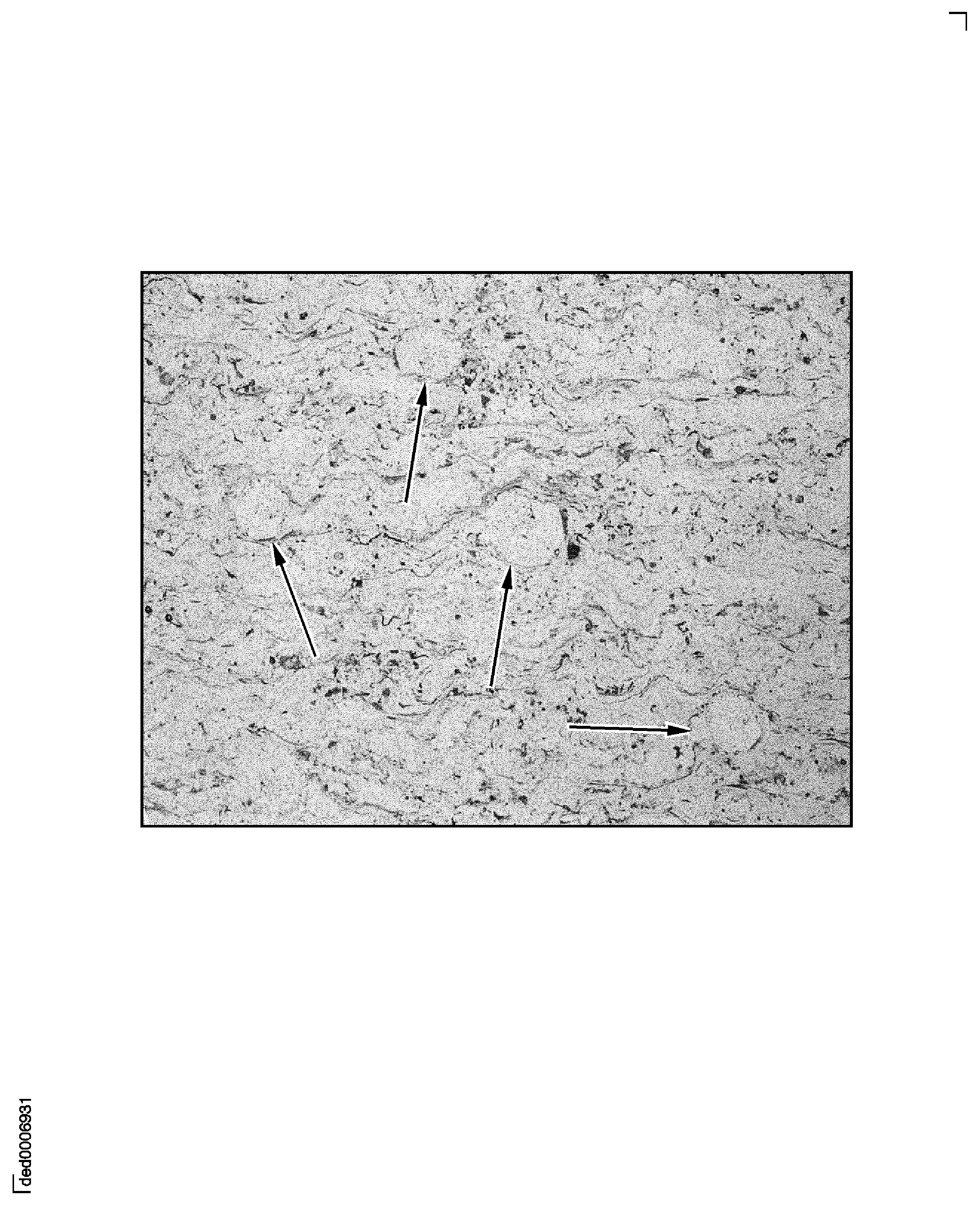
        18. Unmelted Particles: Unreacted powder particles contained within the coating matrix. These particles have a globular or angular appearance, are not adhered to the adjacent coating matrix, and are not part of a cohesive microstructure. See Figure.

        1. Magnification for Metallographic Examination.

        2. View the polished surface at either 500X or 200X magnification, as necessary, and evaluate by the acceptance standards in SPM TASK 70-34-03-340-501-002.

        1. Equipment for Metallographic Examination.

        2. Equipment, applicable for this operation and that gives up to 500X magnification, is available from the subsequent Supplier Code. Refer to V2500-00-00-00-00-00A-00KA-D for the company name/address identified by this number:

          1KGE8.

        1. Hardness Test (IAE 53-1, -5, -10, -16, -38, and -69 Coatings).

        2. Mount the test specimen in the microhardness tester. A list of test equipment is available from the subsequent Supplier Code. Refer to V2500-00-00-00-00-00A-00KA-D for the company name/address identified by this number:

          80140.

        3. Complete the microhardness test as specified in the Microhardness step in the Metallographic Preparation and Examination section.

        4. Record the data: minimum, maximum, and average hardness. Refer to SPM TASK 70-34-03-340-501-002.

    1. SUBTASK 70-34-03-860-107 Rules for Metallographic Examination

      NOTE

      Coating-specific acceptance standards must supersede the Rules.
      1. RULE 1 - Five percent Rule, as applicable to Field of View (FOV): Five percent of all Fields of View can show unacceptable (unsatisfactory) coating characteristics but not cause the rejection of the coating.

        1. Applicable to:

        2. Unmelts.

        3. Oxides.

        4. Porosity.

        5. Phases.

        6. Uniformity.

        7. Interface Contamination.

        1. Not applicable to:

        2. Separation.

        3. Delamination.

        4. Cracks.

        5. Oxide Clusters.

    2. RULE 2 - Coating Contamination (Refer to the applicable quality standard in SPM TASK 70-34-03-340-501-002 for Acceptance Standards.).

      1. RULE 3 - Coating Thickness requirements:

      2. Single layer coatings must be 0.008 to 0.012 inch (0.204 to 0.304 mm) thick.

      3. Duplex (two-layer) coatings must be 0.003 to 0.008 inch (0.077 to 0.203 mm) for the bond coat and 0.008 to 0.012 inch (0.204 to 0.304 mm) thick for the topcoat.

    3. RULE 4 - Cracks (Transverse): Ratable if length is greater than 0.001 inch (0.025 mm). Do the inspection at 500X magnification. Any ratable condition is rejectable (unsatisfactory).

    4. RULE 5 - Delamination: Ratable if length is greater than 0.005 inch (0.127 mm). Do this inspection at 200X magnification. Any ratable condition is rejectable (unsatisfactory).

    5. RULE 6 - Edge Effects: Do not include coating that is less than 0.040 inch (1.016 mm) from the test piece edge or coating run out. (This rule is not applicable to part cut-ups.).

    6. RULE 7 - Field of Evaluation: The minimum area of coating necessary for evaluation minus edge effects.

    7. RULE 8 - Field of View (FOV): Fields of view must not overlap and must be of random selection.

    8. RULE 9 - Illumination: Use a bright field for comparison with photographic standards. Use Differential Interference Contrast (DIC) to increase the phase contrast during the evaluation.

    9. RULE 10 - "In-between" Condition: If the interpretation of any condition is between two criteria, report the condition as the worse condition.

    10. RULE 11 - Integrity: A coating is rejectable (unsatisfactory) if two or more acceptable (satisfactory) conditions combine to cause the coating to be unsound (weak) or not homogeneous.

      1. RULE 12 - Interface Evaluation:

      2. It is necessary to evaluate each interface in a multilayer coating system.

      3. Contamination can be in the form of oxides, grit, or any coating remaining from previous stripping operations.

      4. Do not include separation in the evaluation for interface contamination.

      1. RULE 13 - Massive Porosity:

      2. For coarse powder coatings: A pore or cluster of pores greater than 0.001 inch (0.025 mm).

      3. For fine powder coatings: A pore or cluster of pores greater than 0.0004 inch (0.010 mm).

      1. RULE 14 - Microhardness Requirements:

      2. Do not acquire hardness measurements within three (3) indication diagonals from the interface, coating edge, or surface.

      3. Indentations must be made on the coating cross-section and transverse the total available coating thickness.

      4. Microhardness testing must be done on metallographically prepared surfaces and include the average of five (5) or more impressions.

        NOTE

        IAE recommends that you make 10 or more indentations to get reliable CpK values.
      5. Use the heaviest load possible. This load must fit in the coating and meet the requirements of ASTM E-384 (also see RULE 6).

        NOTE

        RULE 1 does not apply.
    11. RULE 15 - Oxide Clusters: Ratable if the longest dimension is greater than 0.003 inch (0.076 mm) or 75 percent of the coating thickness, or the number of unratable clusters is greater than five (5) in one standard field of evaluation (see RULE 6). Any ratable condition is rejectable (unsatisfactory).

    12. RULE 16 - Repolishing: Limited to two. Use only for removal of damage that is a result of unsatisfactory preparation.

      NOTE

      Coating oxides and contamination must not be considered as interface separation.
    13. RULE 17 - Separation: Ratable if greater than 0.005 inch (0.127 mm) or if total of non-ratable lengths is more than six (6) percent of standard field of evaluation. Any ratable condition is rejectable (unsatisfactory).

    14. RULE 18 - Uniformity: Non-homogeneous distribution/dispersion of constituents is not acceptable (that is, is unsatisfactory). See RULE 11 - Integrity.

    15. RULE 19 - Unmelted Particles (Unmelts): Must be greater than 75 percent unbonded. Ratable if size aspect ratio is less than 3:2 (longest:shortest) or if the longest measured dimension is greater than 0.002 inch (0.051 mm) for coarse powder coatings or greater than 0.001 inch (0.025 mm) for fine powder coatings.

    1. SUBTASK 70-34-03-860-108 Tables

    2. Table 1. Test Panel and Bond Specimen Materials

      Substrate Material

      Alloy Specification

      Iron, or Nickel, or Cobalt based alloys

      AISI 321SS

      AMS 5504, AMS 5613

      Inco 718

      Hastelloy X

      Titanium alloys

      AMS 4901, AMS 4902, AMS 4921

      AMS 4910, AMS 4926

      AMS 4911, AMS 4928

      Aluminum alloys

      Alloy 6061

      Alloy 5052

    3. Table 2. Coating Thickness Requirements for Bond Strength Test

      Coating

      Thickness, Inches (mm)

      IAE 53-11, -69

      0.003 - 0.005 (0.077 - 0.127)

      IAE 53-1, -5, -16, -17, -38

      0.006 - 0.008 (0.153 - 0.203)

      All Others

      0.008 - 0.010 (0.204 - 0.254)

      IAE 53-33 (Includes Undercoat)

      0.013 - 0.020 (0.330 - 0.508)

      NOTE

      When a bond strength test is specified for IAE 53-35 coating applied over an undercoat of IAE 53-21 or IAE 53-37, apply the undercoat to a thickness of 0.002 to 0.004 inch (0.051 to 0.101 mm); then add a top coat of IAE 53-35 for a total coating thickness of 0.008 to 0.010 inch (0.024 to 0.254 mm).
    4. Table 3. Critical Parameters for Grinding and Polishing

      Parameter

      Description

      Pressure

      Applied/specified for each mount

      Speed

      Both table and specimen holder

      Rotation Direction

      Relative rotation of head in relation to the table

      Format

      Grinding: Disc compared to grinding papers

      Polishing: No nap compared to high nap cloths

      Type of Abrasive

      Diamond, silicon carbide, colloidal silica, aluminum oxide

      Quantity of Abrasive

      ml/min.

      Orientation

      How samples are put in holder in relation to wheel rotation

      Frequency

      How often lubricant/abrasive is applied

      Type of Lubricant

      Oil, water, alcohol

      Quantity of Lubricant

      ml/min.

      Time

      Total for individual steps

    5. Table 4. Typical Preparation Procedure for Abrasive Papers

      Surface

      Abrasive,

      Grit Size

      Lubricant

      Load/ Specimen

      Speed (RPM)

      Time

      Rotation

      Grinding Papers or Grinding Stone

      SiC

      120 or 180

      Water

      5 lbs. (2.27 kg)

      300

      Enough papers to flatten specimen and remove damage/edge effects; 30 seconds

      Complimentary

      Grinding Papers

      SiC

      240 thru 800/1200

      Water

      5 lbs. (2.27 kg)

      300

      Usually two papers/grit size; 30 seconds

      Complimentary

      No Nap Cloth

      Polycrystalline or monocrystalline diamond

      Can be in the range 1 to 6 micron diamond

      Water or Alcohol

      5 lbs. (2.27 kg)

      300

      Can be in the range of 1 to 4 minutes

      Complimentary

      Higher Nap Cloth

      Colloidal silica, aluminum oxide (used to prevent overpolishing)

      Usually 0.05 micron

      Water or Alcohol

      5 lbs. (2.27 kg)

      300

      Usually 15 to 30 seconds

      Complimentary

    6. Table 5. Typical Preparation Procedure for Abrasive Discs

      Surface

      Abrasive,

      Grit Size

      Lubricant

      Load/ Specimen

      Speed (RPM)

      Time

      Rotation

      Grinding Stone

      SiC

      120 or 180

      Water

      5 lbs. (2.27 kg)

      300

      Enough to flatten specimen and remove damage/edge effects; 30 seconds

      Complimentary

      Fixed Diamond or Composite Disc

      Polycrystalline or monocrystalline diamond

      40 to 60 micron

      Water

      5 lbs. (2.27 kg)

      300

      Enough to flatten specimen and remove damage/edge effects; 2 to 4 minutes

      Complimentary

      Fixed Diamond or Composite Disc

      Polycrystalline or monocrystalline diamond

      6 to 9 micron

      Water

      5 lbs. (2.27 kg)

      300

      3 to 5 minutes

      Complimentary

      No Nap

      Cloth

      Polycrystalline or monocrystalline diamond

      Can be in the range 1 to 6 micron diamond

      Water or Alcohol

      5 lbs. (2.27 kg)

      300

      Can be in the range 1 to 4 minutes

      Complimentary

      Higher Nap Cloth

      Colloidal silica, aluminum oxide (used to prevent overpolishing)

      Usually 0.05 micron

      Water or Alcohol

      5 lbs. (2.27 kg)

      300

      Usually 15 to 30 seconds

      Complimentary

    7. Table 6. Key to Figure IAE Bond Strength Specimen

      1

      0.88 Inch (2.235 mm) diameter maximum. (No. 2 center drill ref)

      Depth 0.110 inch (2.794 mm) maximum.

      Chamfer 60 deg +/- 6 deg included to 0.120 Inch (3.048 mm) diameter maximum (optional).

      2

      Chamfer to 0.050 to 0.080 inch (1.27 to 2.03 mm) X 45 deg approximately.

      3

      1.500 to 2.250 inches (38.1 to 57.2 mm)

      4

      1.000-12 UNF-3A, Pitch diameter 0.9415 to 0.9459 inch (23.915 to 24.025 mm).

      Major diameter 0.9886 to 0.9905 inch (25.111 to 25.158 mm).

      Minor diameter 0.8978 inch (22.804 mm) maximum.

      5

      Vibration peen identification in shaded area.

      6

      Coat this end. Surface "A" must be square with centerline within 0.001 inch (0.025 mm) FIR before coating. This is a critical requirement.

      7

      0.960 to 0.990 inch (24.38 to 25.15 mm) diameter.

      8

      No overspray is permitted. Mask outside diameter of specimen.

      9

      1.00 inch (25.400 mm) maximum. Full or imperfect thread.

      10

      0.834 Inch (21.184 mm) minimum full thread.

    8. Table 7. Key to Figure IAE Universal Adaptor To Attach Bond Test Specimen To Tensile Test Equipment

      1

      1.000-12 UNF-3B to fit bond test specimen

      2

      0.005 inch (0.127 mm) clearance

      3

      To fit tensile test machine

      Table 8. Key to Figure Other Bond Strength Specimen Configurations

      1

      0.39 - 0.40 inch (9.91 - 10.16 mm) diameter

      2

      0.16 - 0.24 inch (4.06 - 6.10 mm) radius

      3

      0.386 - 0.402 inch (9.80 - 10.21 mm)

      4

      1.96 - 1.98 inches (49.78 - 50.29 mm)

      5

      1.33 - 1.35 inches (33.78 - 34.29 mm)

      6

      0.66 - 0.68 inch (16.76 - 17.27 mm)

      7

      0.98 - 0.99 inch (24.89 - 25.15 mm) diameter

      8

      90 +/- 2 deg

      Table 9. Key to Figure Other Bond Strength Specimen Configurations (2)

      1

      0.99 - 1.00 inch (25.15 - 25.40 mm) diameter

      2

      1.90 - 2.10 inches (48.3 - 53.3 mm)

      3

      1.125 inches (28.575 mm) maximum

      4

      1.00 inch (25.40 mm) - 8NC - 2A diameter

      5

      0.50 inch (12.70 mm) - 20 UNF - 2B (minimum) diameter;

      0.625 inch (15.875 mm) - 18 UNF - 2B diameter;

      0.75 inch (19.05 mm) - 16 UNF - 2B (maximum) diameter

      Table 10. Key to Figure Other Bond Strength Specimen Configurations (3)

      1

      0.39 - 0.40 inch (9.91 - 10.16 mm) diameter

      2

      0.16 - 0.24 inch (4.06 - 6.10 mm) radius

      3

      0.386 - 0.402 inch (9.80 - 10.21 mm)

      4

      0.12 - 0.28 inch (3.0 - 7.1 mm)

      5

      1.96 - 1.98 inches (49.78 - 50.29 mm)

      6

      1.33 - 1.35 inches (33.78 - 34.29 mm)

      7

      0.66 - 0.68 inch (16.76 - 17.27 mm)

      8

      0.98 - 0.99 inch (24.89 - 25.15 mm) diameter

      9

      90 +/- 2 deg

      Table 11. Key to Figure Other Bond Strength Specimen Configurations (4)

      1

      0.99 - 1.00 inch (25.15 - 25.40 mm) diameter

      2

      1.90 - 2.10 inches (48.3 - 53.3 mm)

      3

      1.00 inch (25.40 mm) diameter - 8NC - 2A diameter

      4

      0.50 inch (12.70 mm) - 20 UNF - 2B (minimum) diameter;

      0.625 inch (15.875 mm) - 18 UNF - 2B diameter;

      0.75 inch (19.05 mm) - 16 UNF - 2B (maximum) diameter

      5

      1.125 inches (28.575 mm) - maximum

      6

      0.245 - 0.255 inch (6.22 - 6.48 mm)

  1. Figure: Specimen Configuration - IAE Bond Strength Specimen. For Key, Refer to Table 6.

    Specimen Configuration - IAE Bond Strength Specimen. For Key, Refer to Table 6.
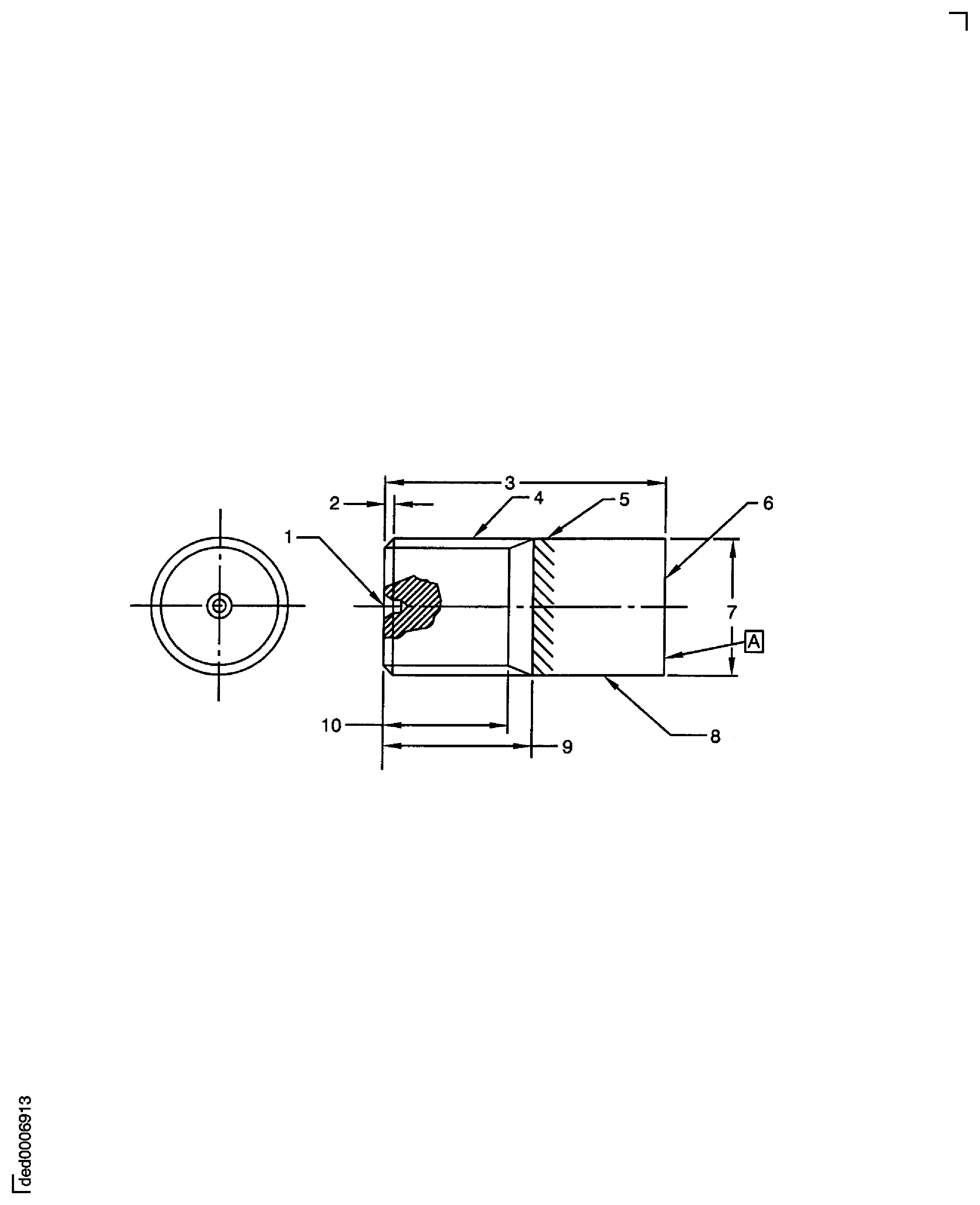
    Figure: IAE Universal Adaptor To Attach Bond Test Specimen to Tensile Test Equipment. For Key, Refer to Table 7.
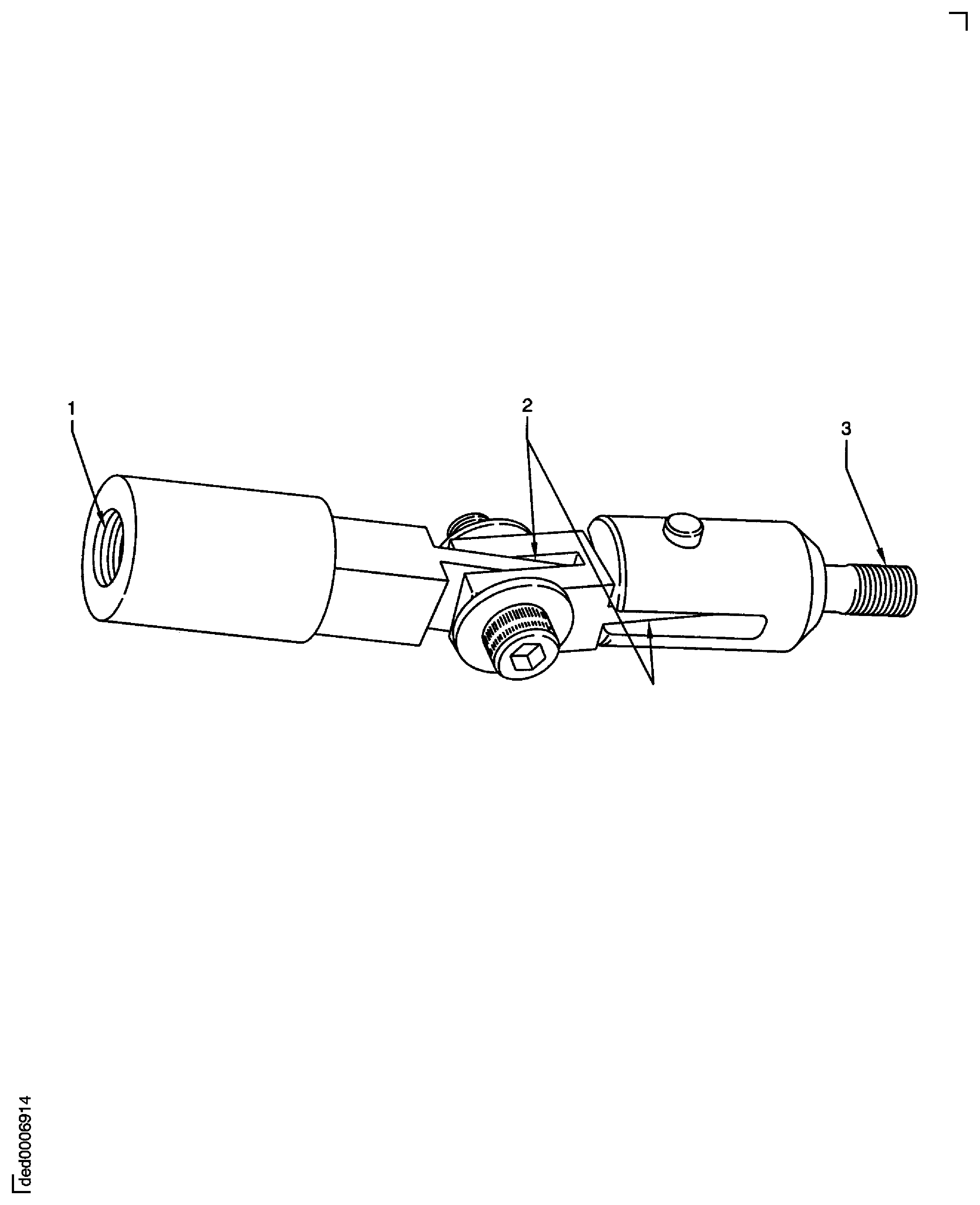
    IAE Universal Adaptor To Attach Bond Test Specimen to Tensile Test Equipment. For Key, Refer to Table 7.

    Figure: Other Bond Strength Specimen Configurations. For Key, Refer to Table 8.

    Other Bond Strength Specimen Configurations. For Key, Refer to Table 8.
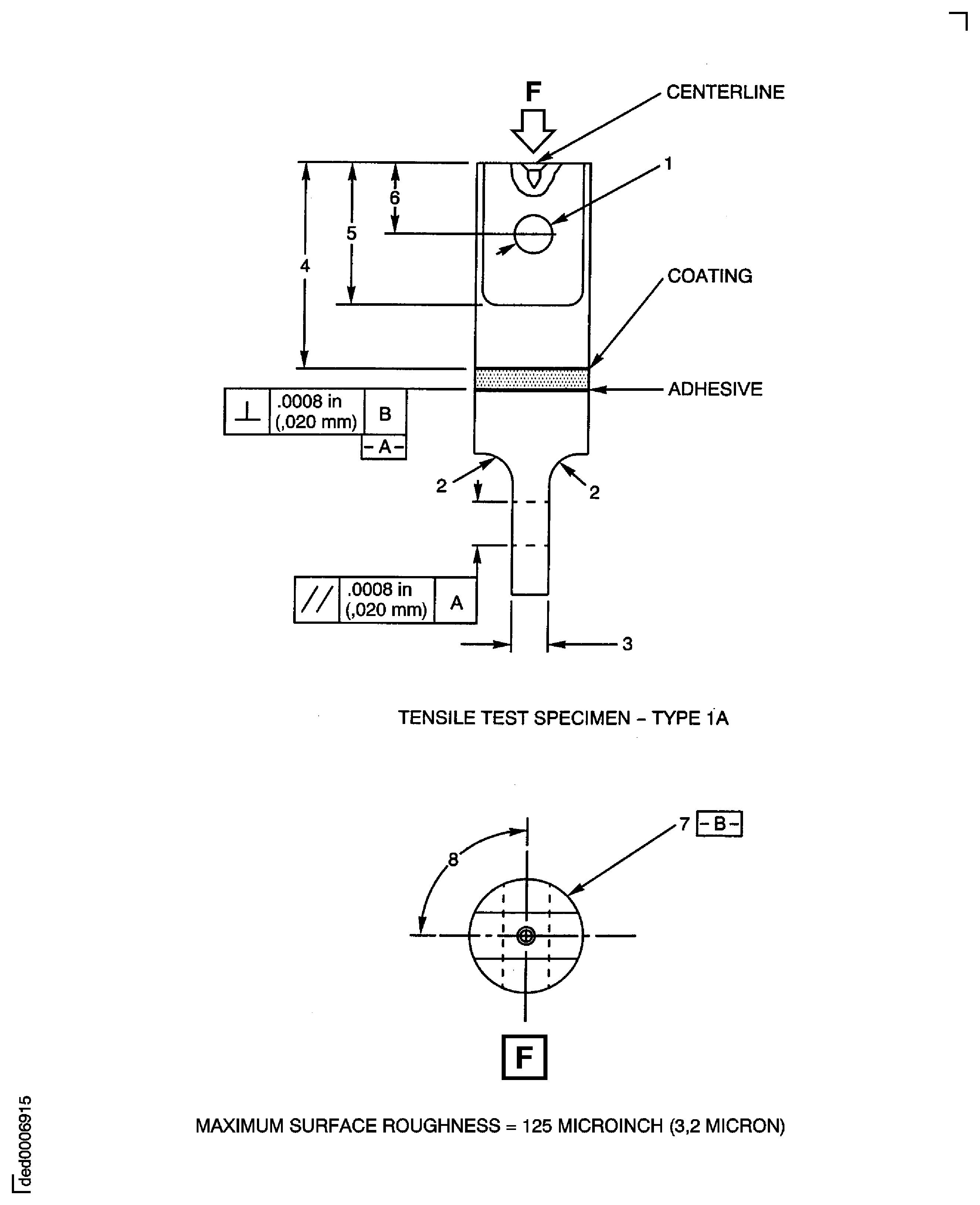
    Figure: Other Bond Strength Specimen Configurations. For Key, Refer to Table 9.

    Other Bond Strength Specimen Configurations. For Key, Refer to Table 9.
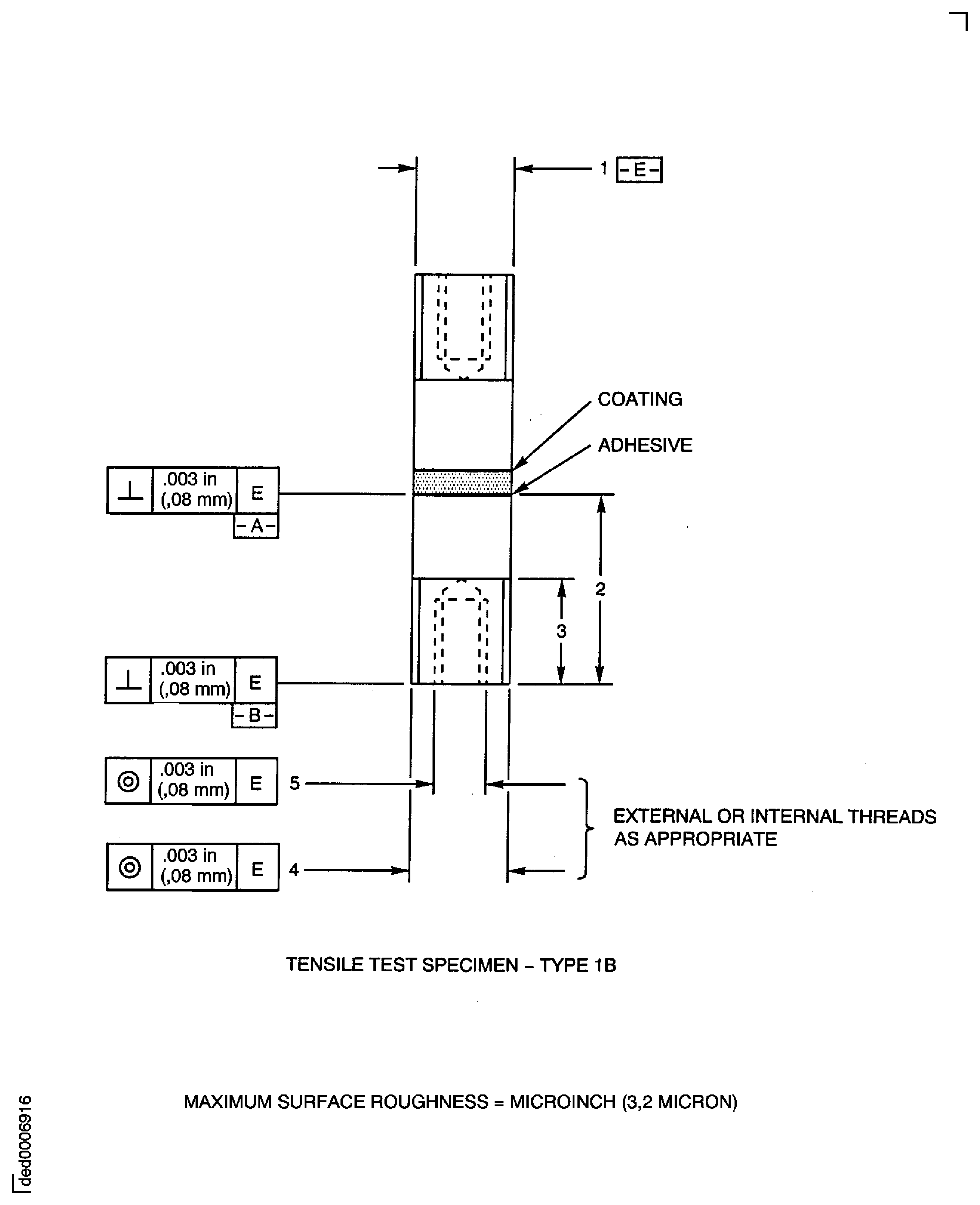
    Figure: Other Bond Strength Specimen Configurations. For Key, Refer to Table 10.

    Other Bond Strength Specimen Configurations. For Key, Refer to Table 10.
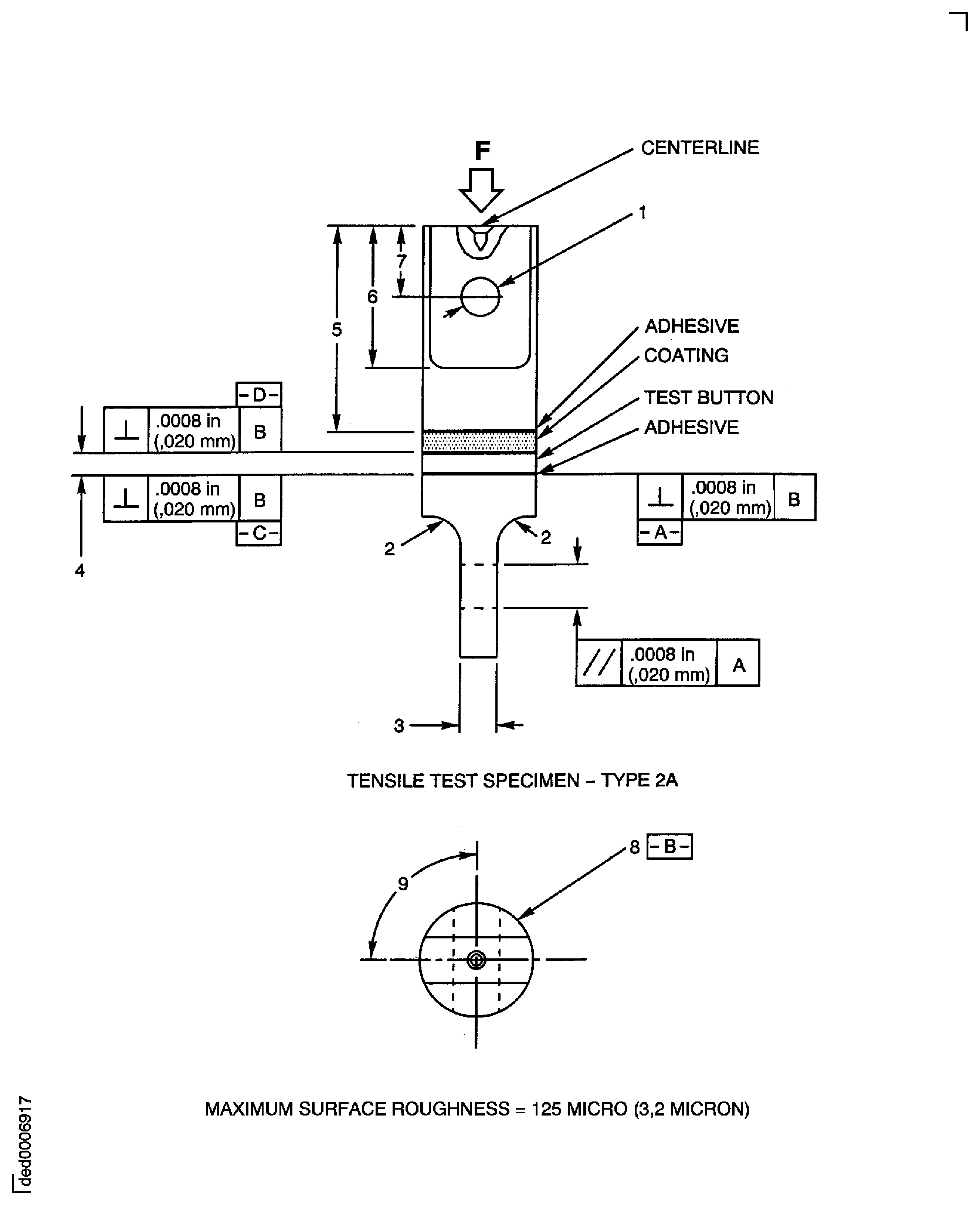
    Figure: Other Bond Strength Specimen Configurations (4). For Key Refer to Table 11.

    Other Bond Strength Specimen Configurations (4). For Key Refer to Table 11.
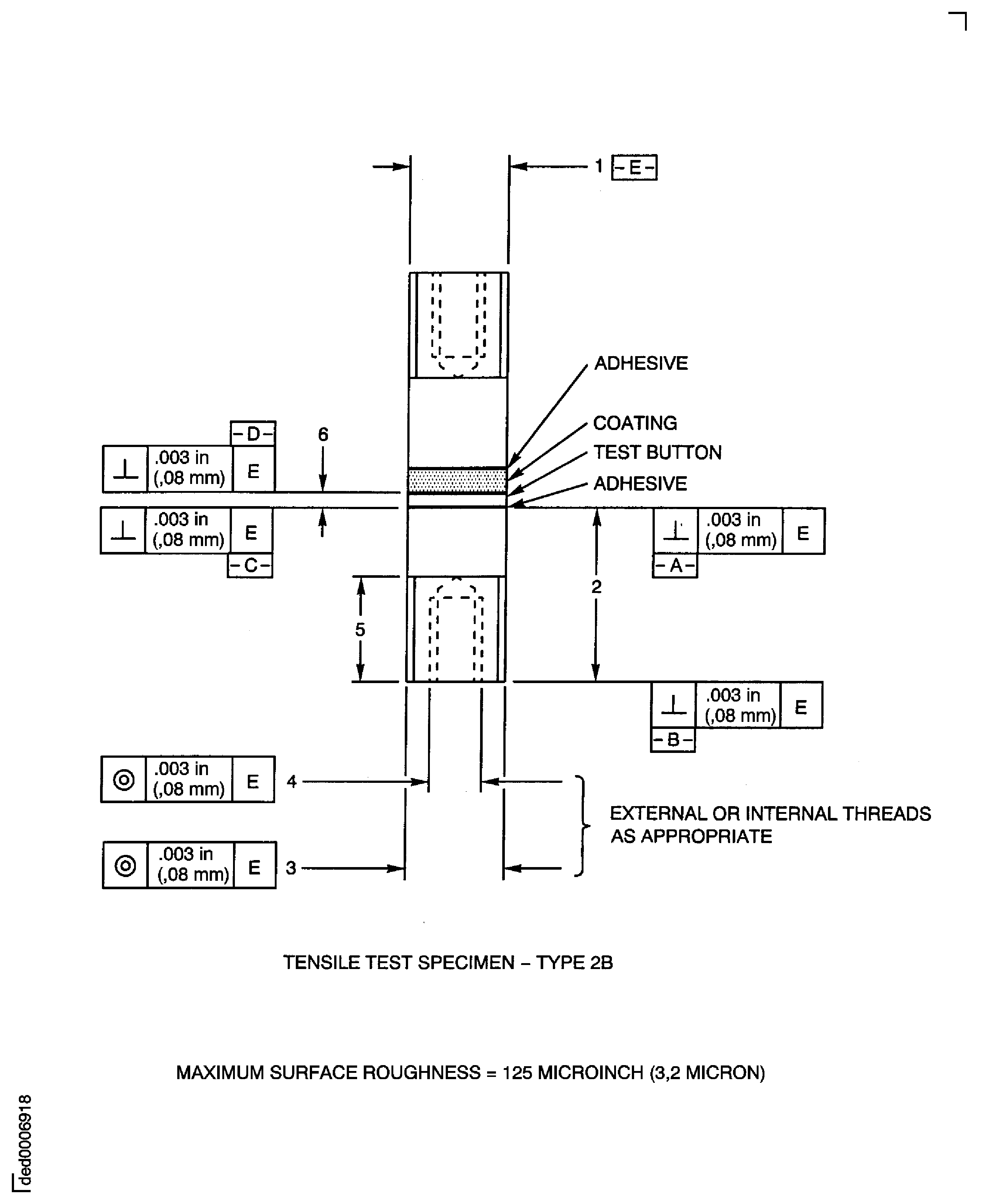
    Figure: Examples of Hot and Cold Mounting Techniques on Smearing

    Examples of Hot and Cold Mounting Techniques on Smearing
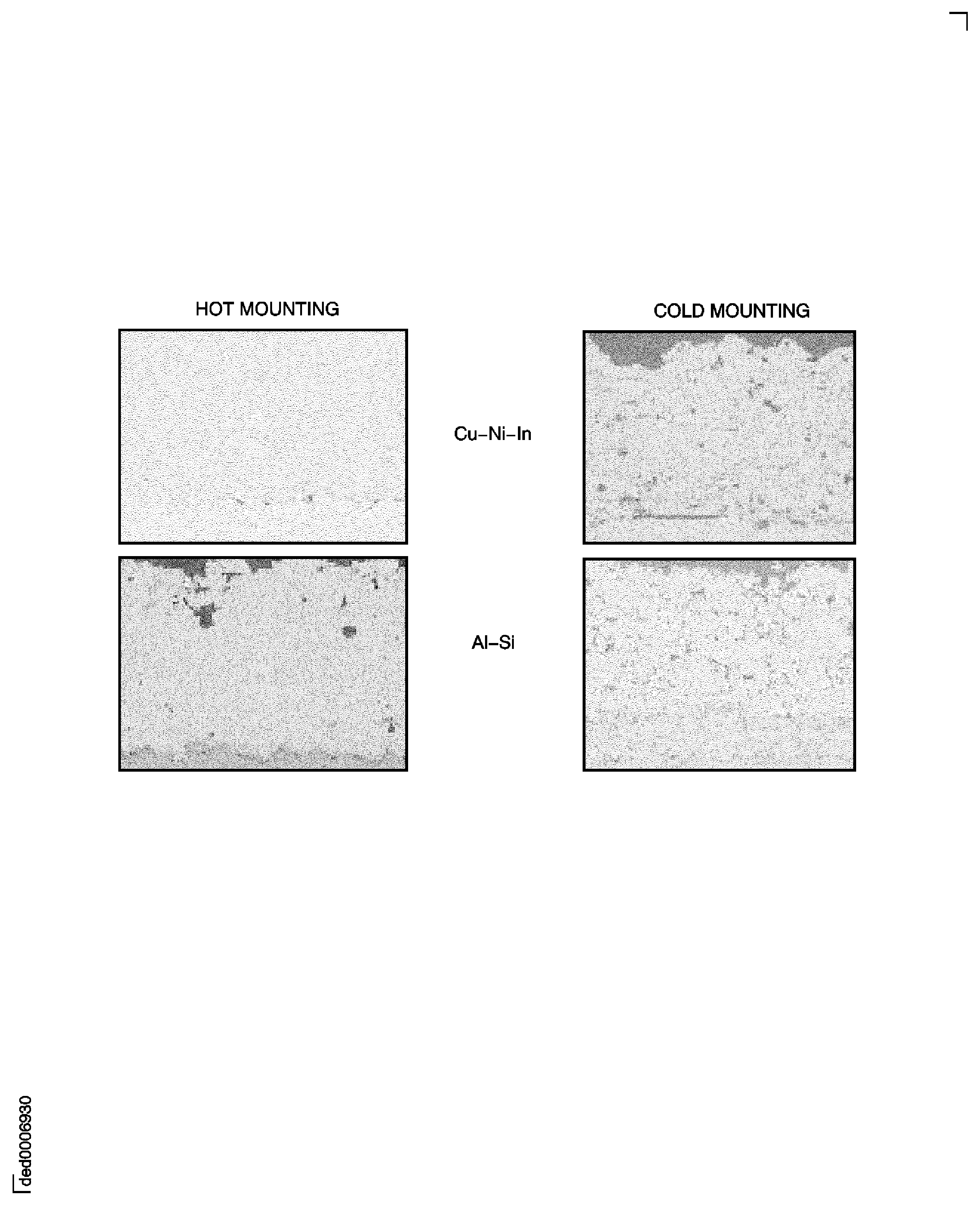
    Figure: Examples of Coating Contamination

    Examples of Coating Contamination
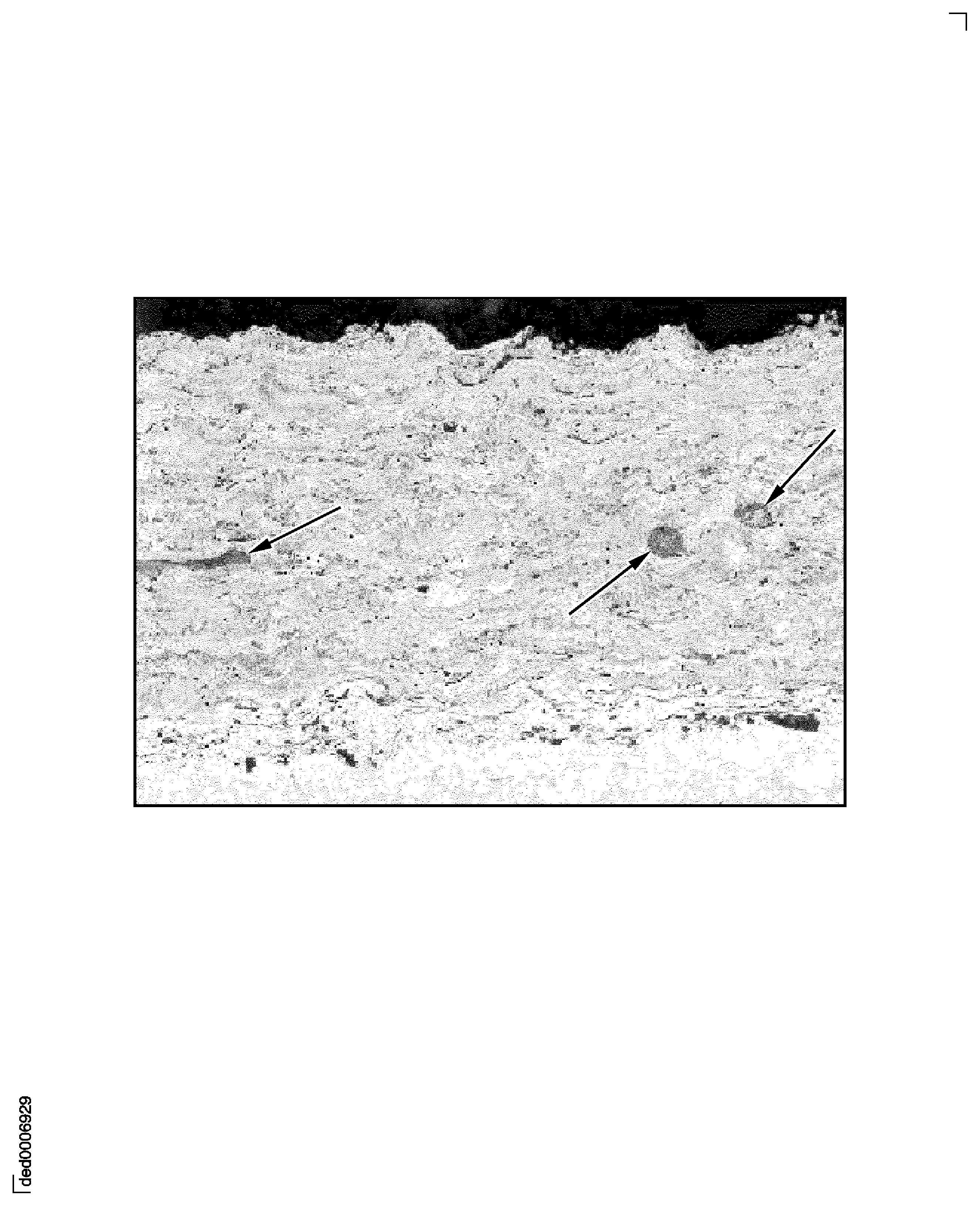
    Figure: Example of Crack

    Example of Crack
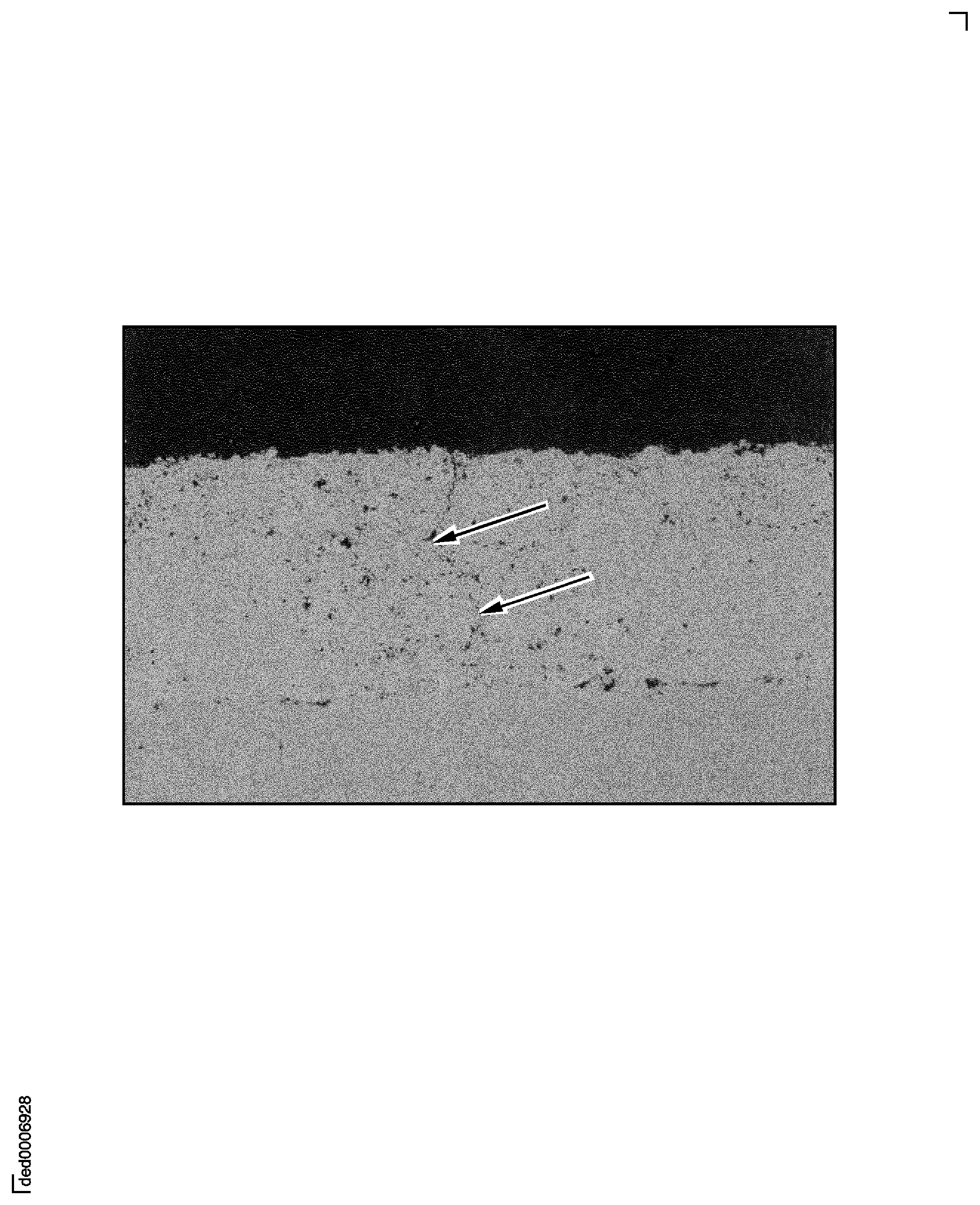
    Figure: Examples of Delamination

    Examples of Delamination
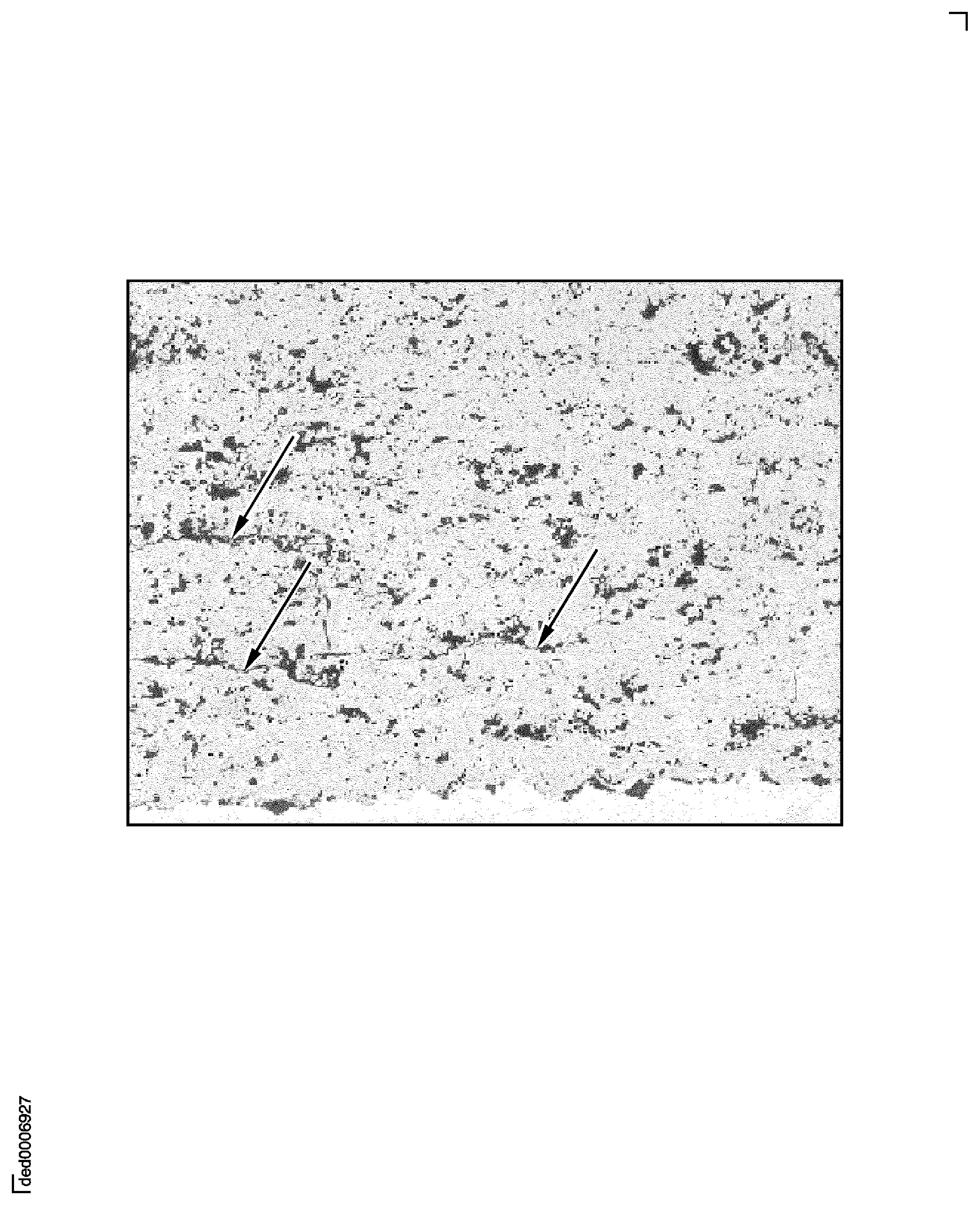
    Figure: Examples of Poor Integrity

    Examples of Poor Integrity
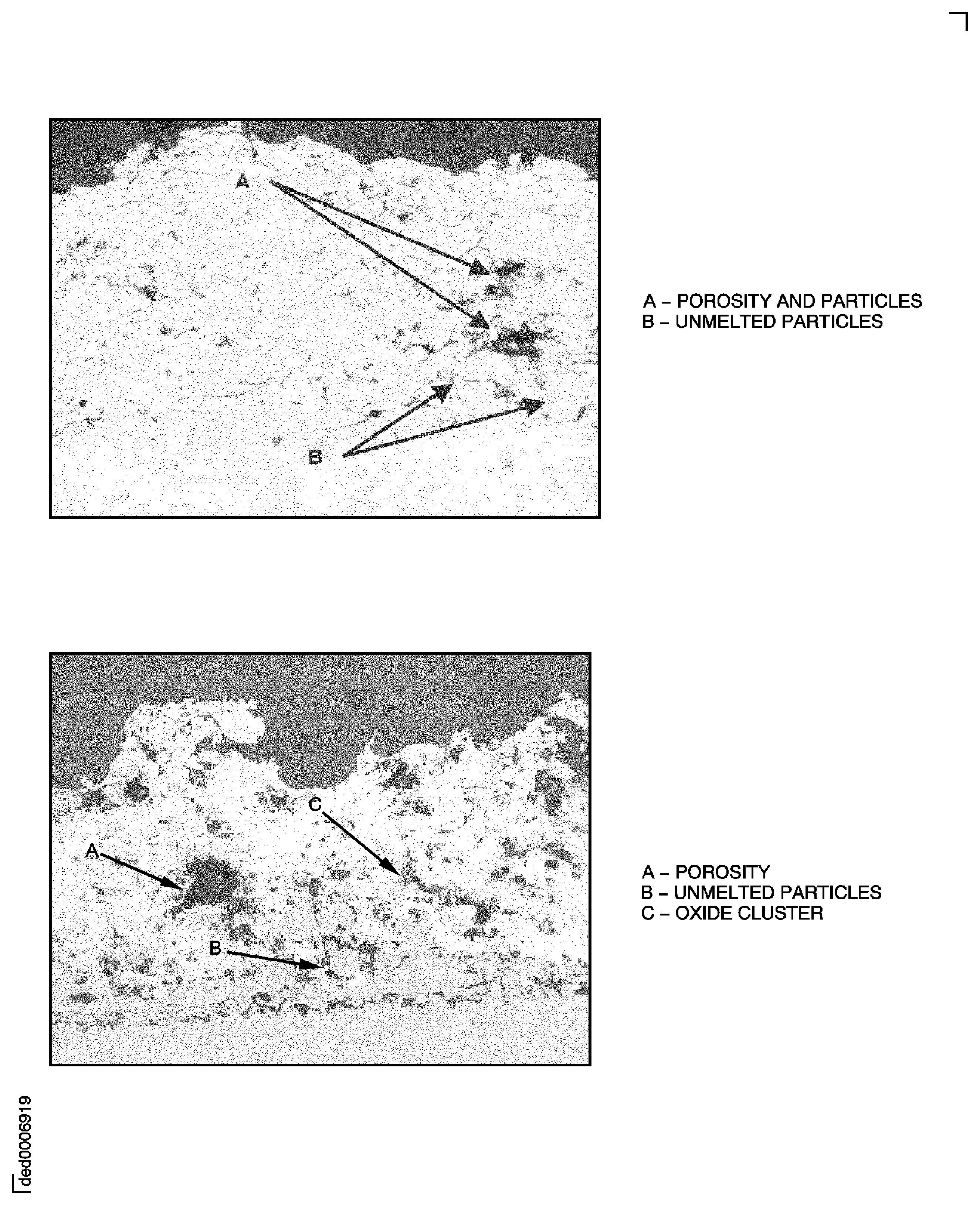
    Figure: Examples of Interface Contamination

    Examples of Interface Contamination
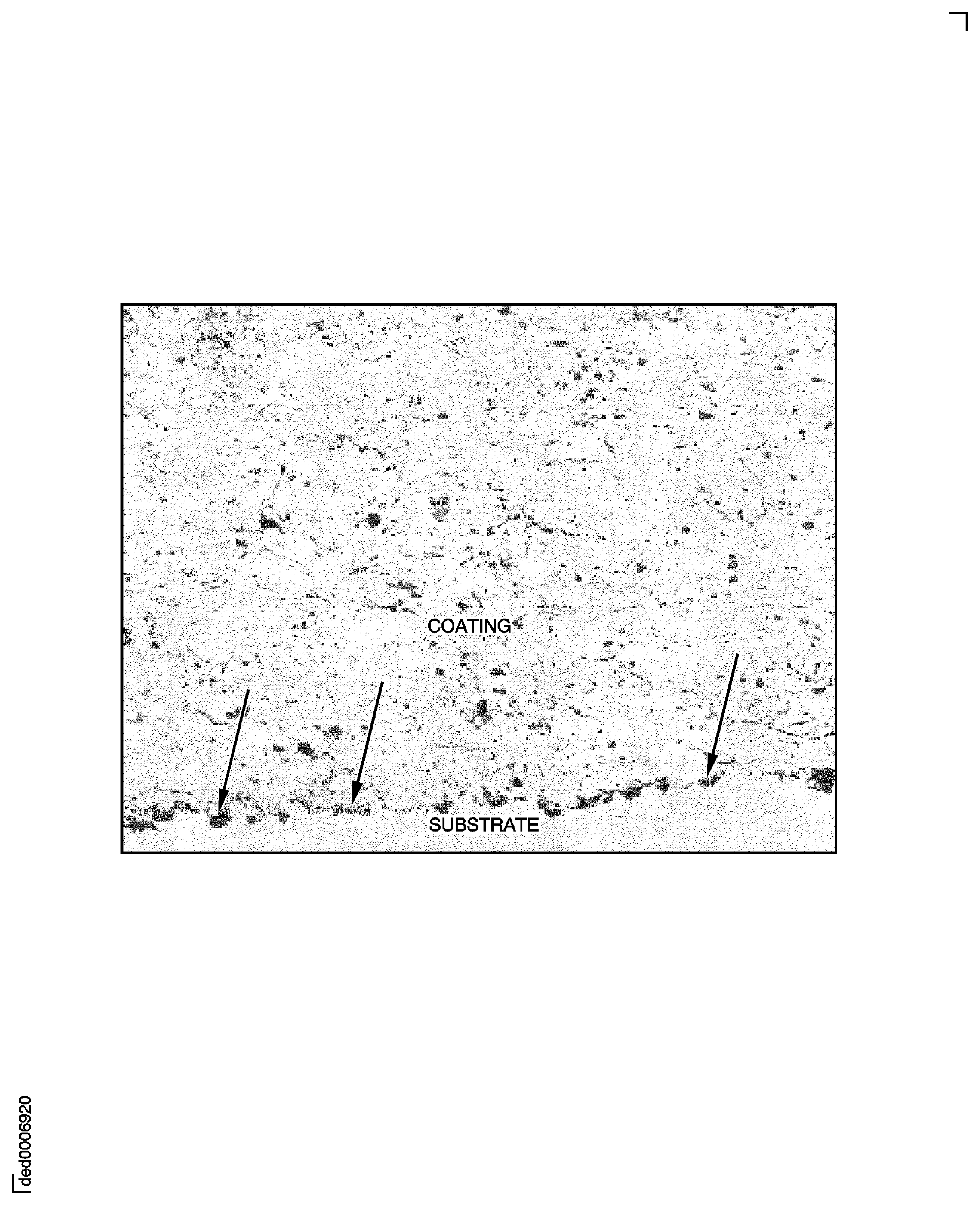
    Figure: Example of Layering

    Example of Layering
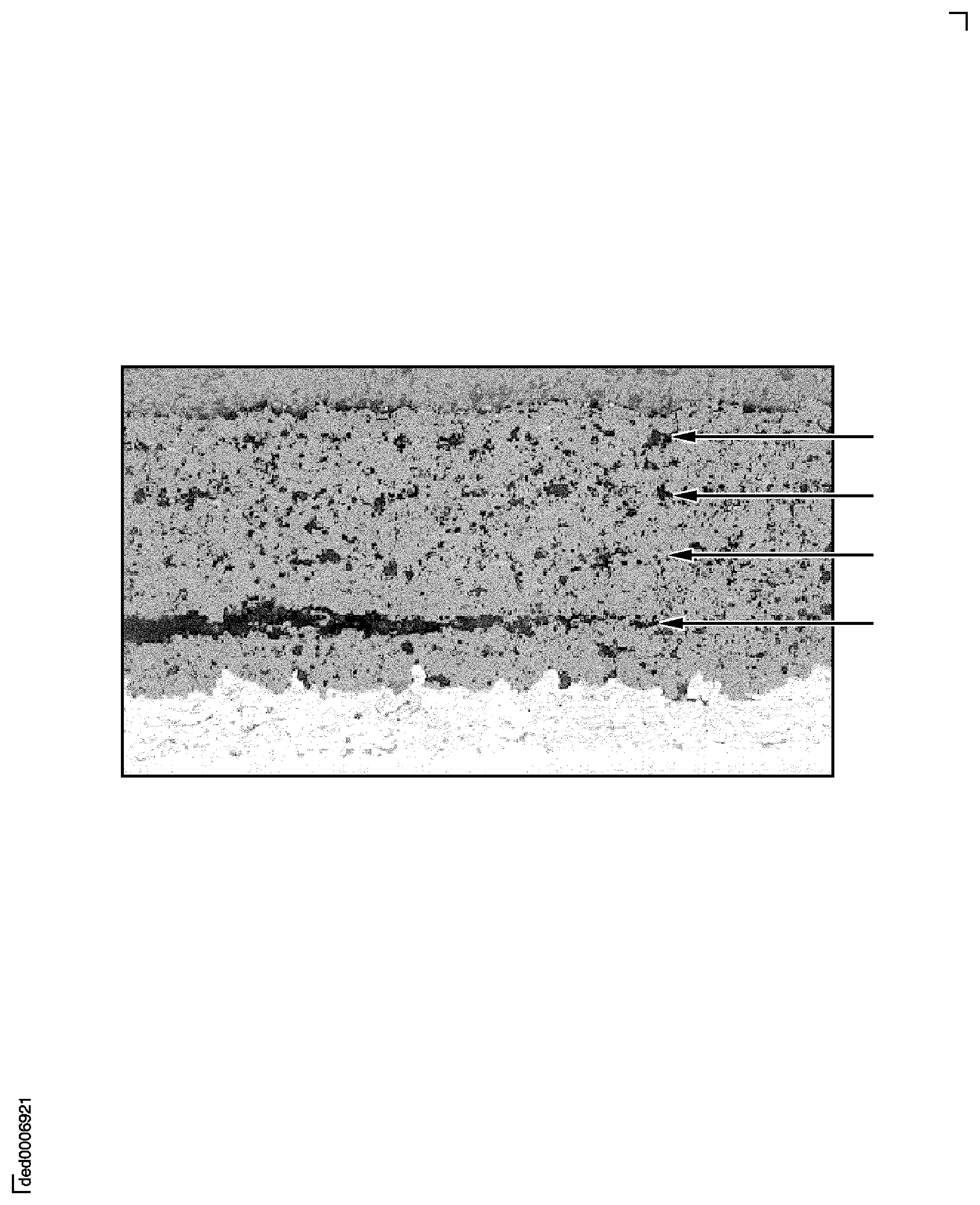
    Figure: Example of Massive Porosity

    Example of Massive Porosity
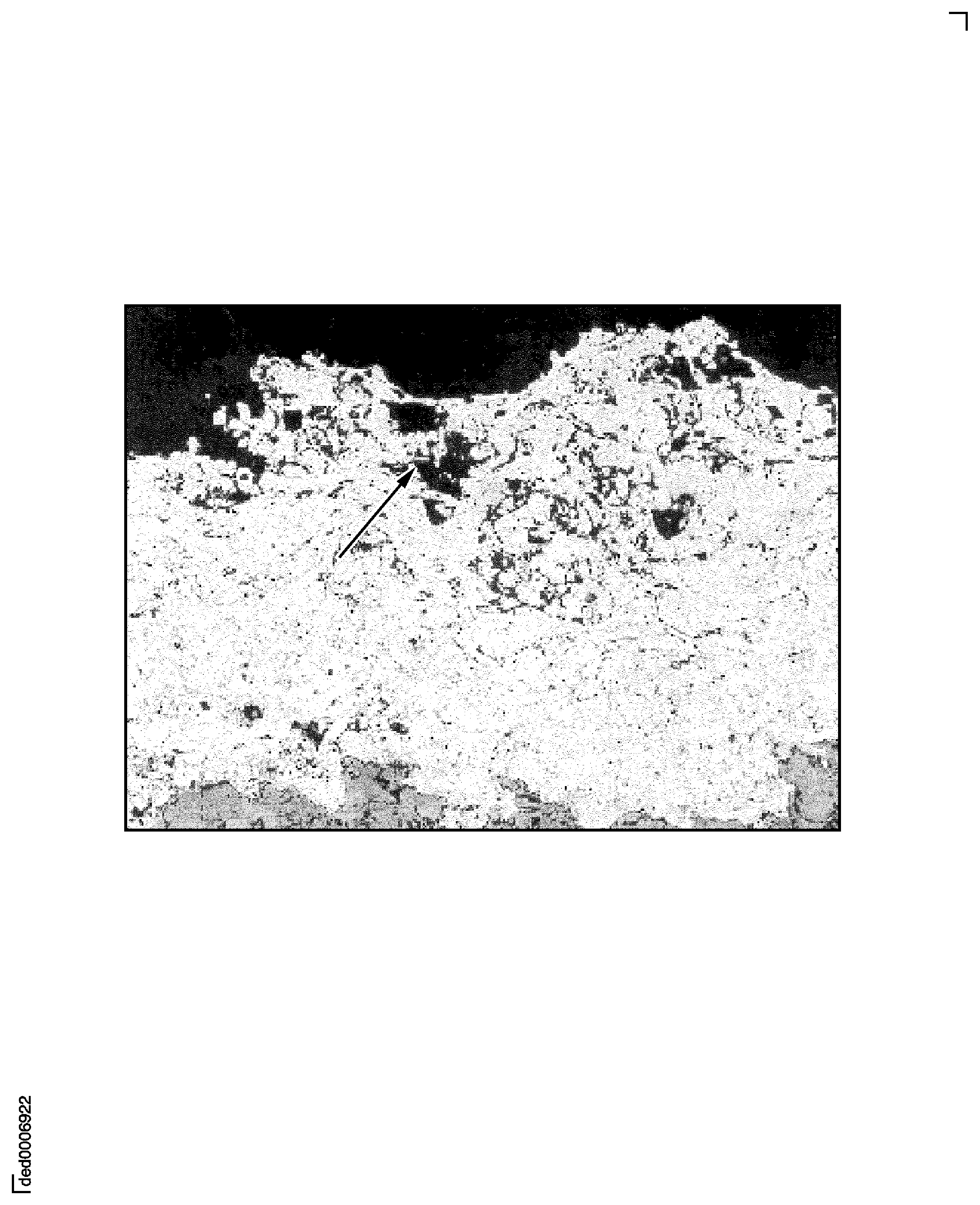
    Figure: Examples of Oxide Clusters

    Examples of Oxide Clusters
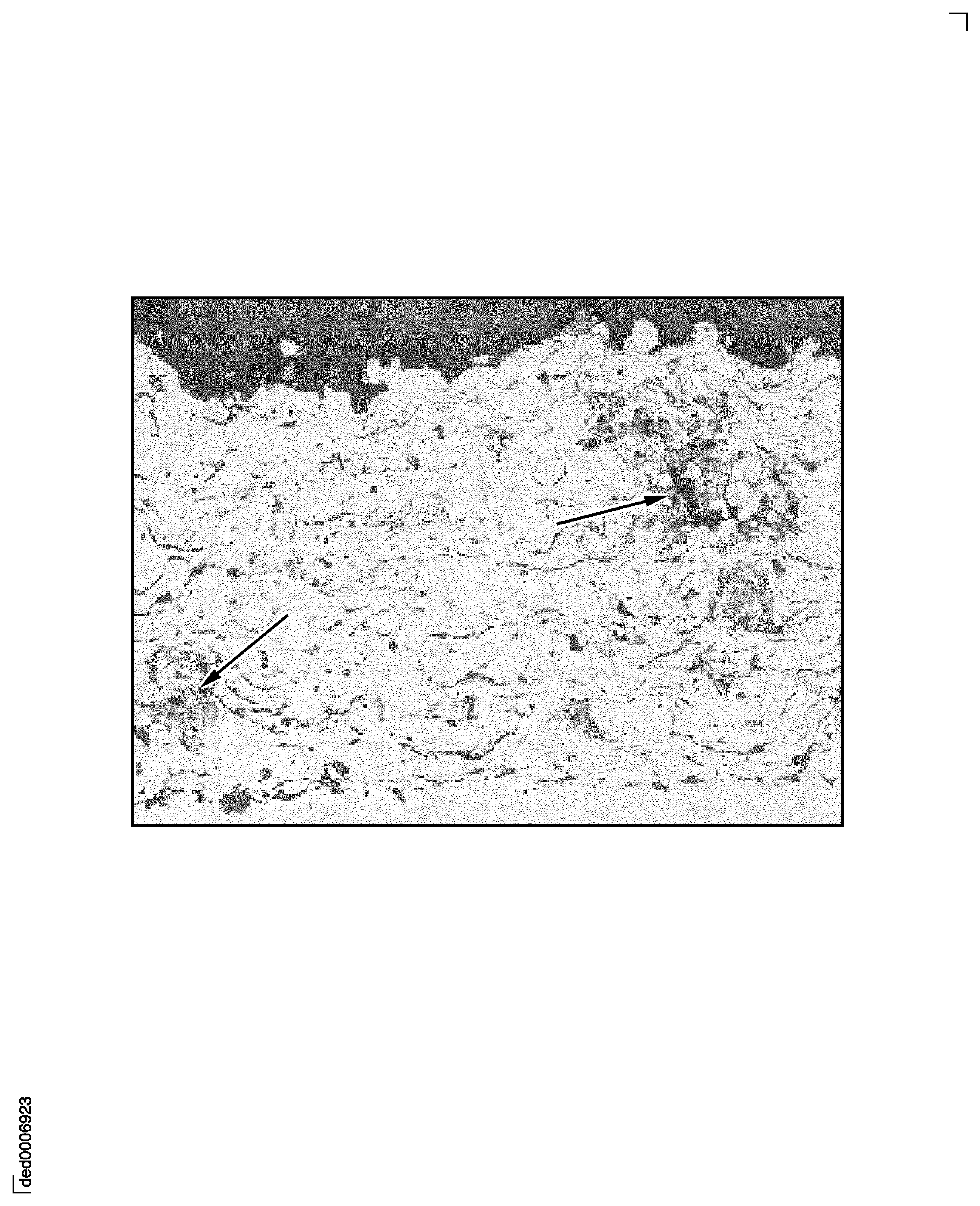
    Figure: Examples of Oxide Stringers

    Examples of Oxide Stringers
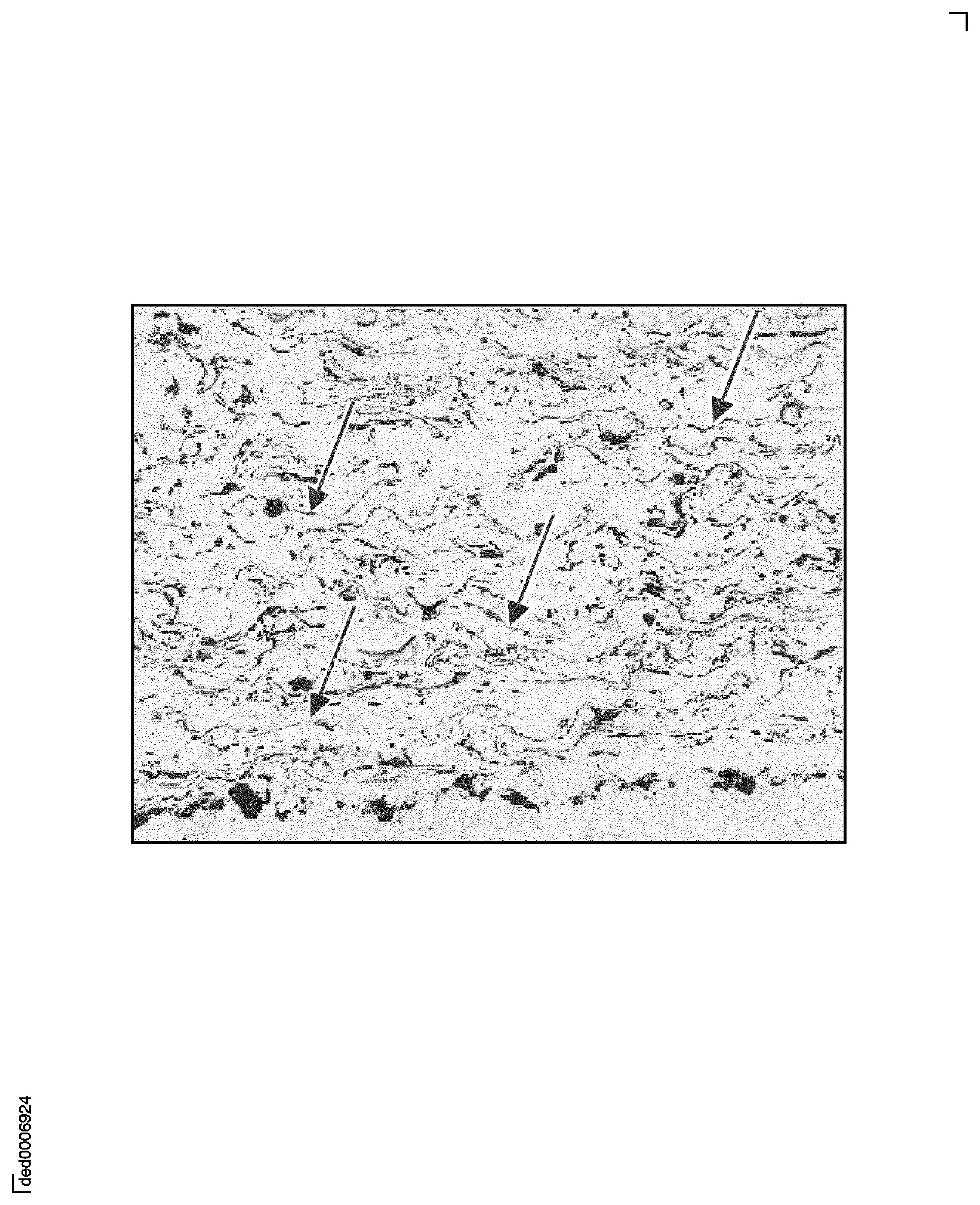
    Figure: Examples of Separation

    Examples of Separation
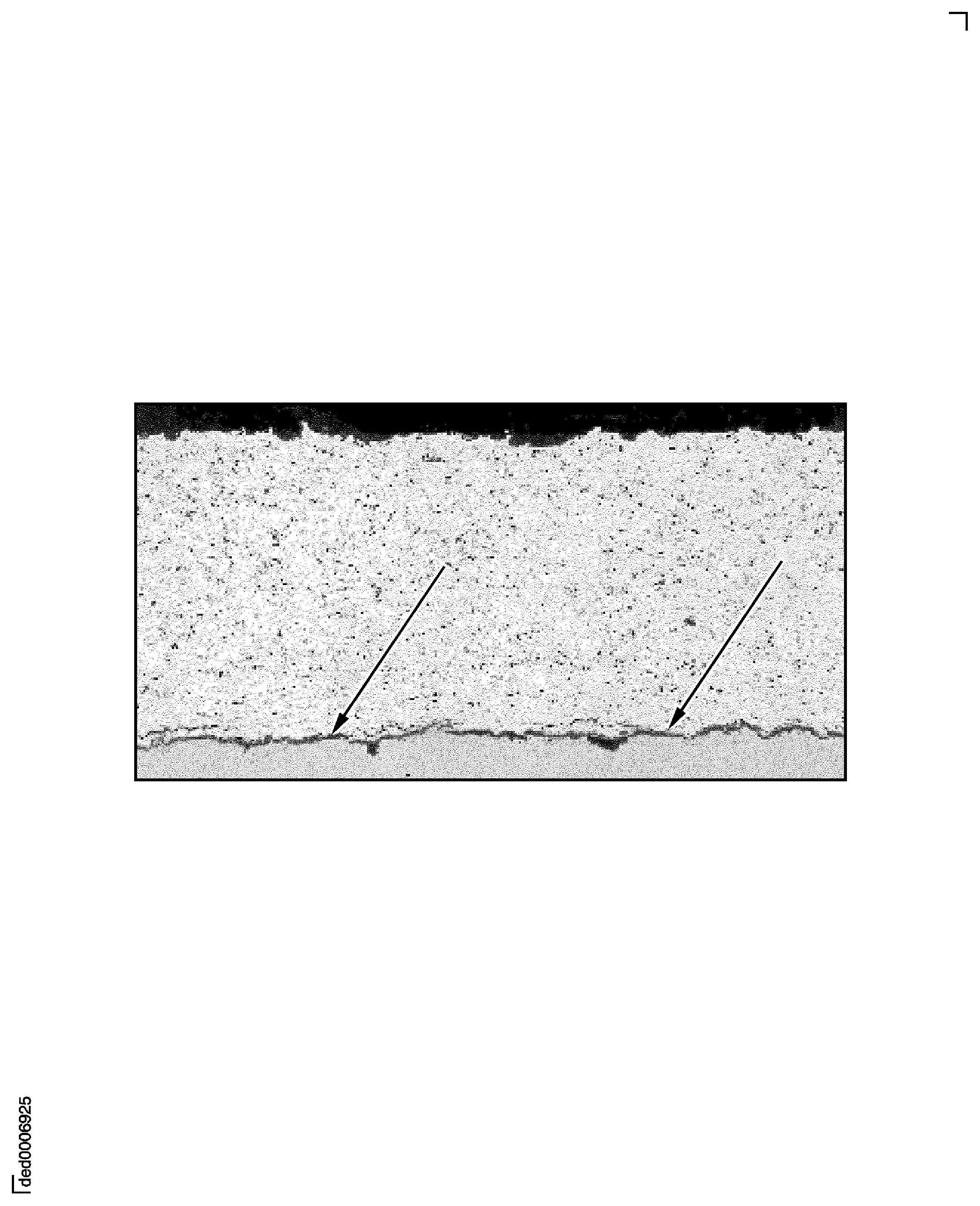
    Figure: Examples of Uniformity

    Examples of Uniformity
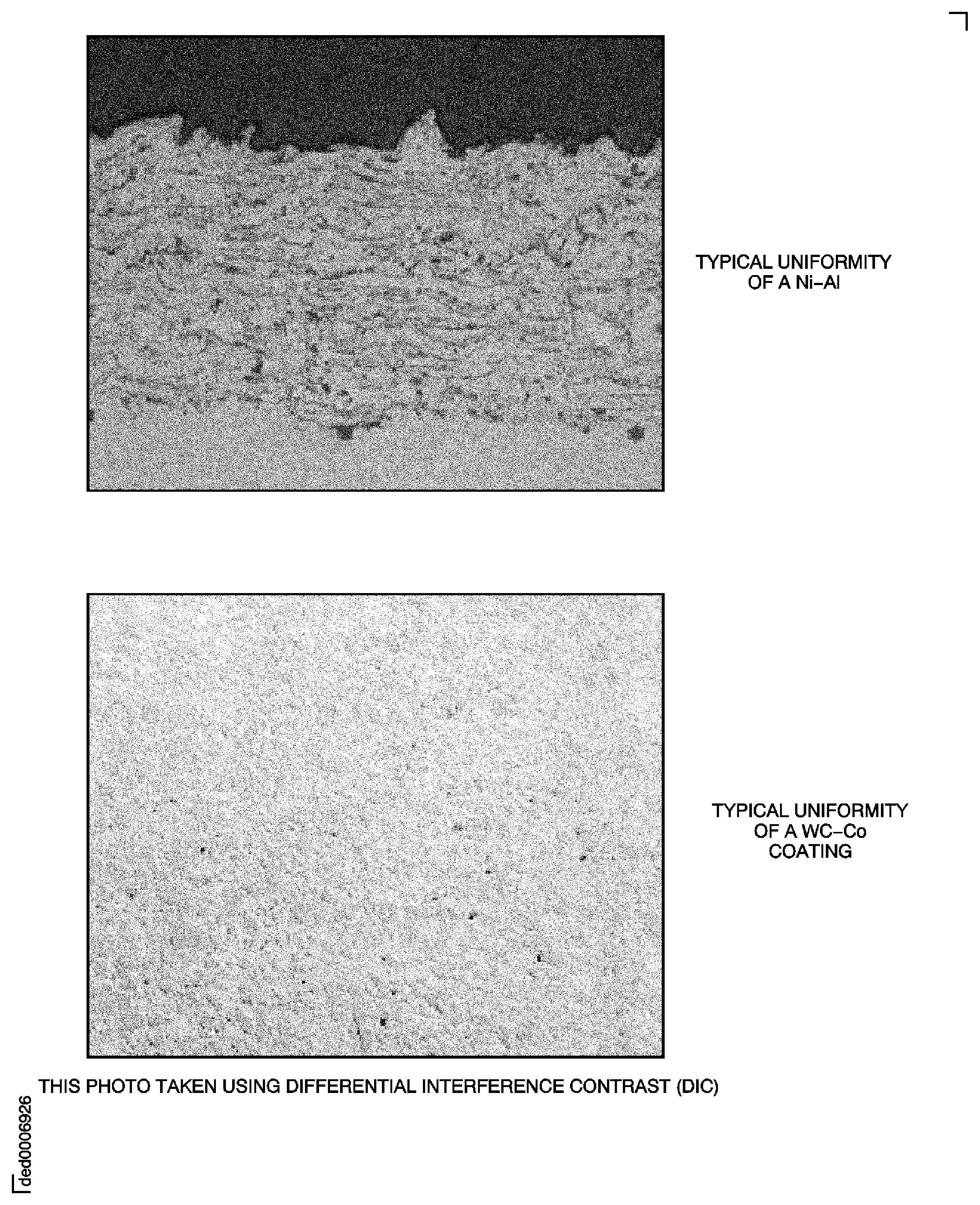
    Figure: Examples of Unmelted Particles

    Examples of Unmelted Particles
Requirements After Job Completion

Follow-On Conditions

NONE
Change Type:

Updated TOC xml data to correct Table and Figure links. (CAS-102834-B2P0G1)

Manufacturer Code:04963
Enterprise Name:3M CO
BU Name:3M CO
Street:SAINT PAUL, MN, UNITED STATES
City:SAINT PAUL
State:MN
Country:USA
Phone Number:1 (888) 364-3577
Manufacturer Code:11684
Enterprise Name:METCUT RESEARCH INC.
BU Name:METCUT RESEARCH INC.
Street:3980 ROSSLYN DRIVE
City:CINCINNATI
State:OH
Zip Code:45209-1110
Country:USA
Phone Number:1-513-271-5100
Fax Number:1-513-271-9511
Internet:www.metcut.com
Manufacturer Code:33564
Enterprise Name:HENKEL CORP.
BU Name:AEROSPACE GROUP
Street:2850 WILLOW PASS ROAD
City:BAY POINT
State:CA
Zip Code:94565
Country:UNITED STATES OF AMERICA
Phone Number:1-925-458-8000
Fax Number:1-925-458-8030
Internet:www.aerospace.henkel.com
Manufacturer Code:DQ004
Enterprise Name:HTK HAMBURG GMBH
BU Name:HTK HAMBURG GMBH
Street:FRAHMREDDER 49
City:HAMBURG
Zip Code:22393
Country:GERMANY
Manufacturer Code:DQ004
Supply Number:CoMat 08-156
Type:sp01
Supply Short Name:CoMat 08-156 ADHESIVE
Supply Name:CoMat 08-156 ADHESIVE
Specification Groups:
Doc NumberType
70-46-03 REPAIR-00 (PW REF)HTK ULTRA BOND 100
Suppliers:
ManufacturerRemarks
DQ004
Manufacturer Code:11684
Supply Number:CoMat 08-157
Type:sp01
Supply Short Name:CoMat 08-157 ADHESIVE
Supply Name:CoMat 08-157 ADHESIVE
Specification Groups:
Doc NumberType
70-46-03 REPAIR-00 (PW REF)FM1000 (WAFER)
Suppliers:
ManufacturerRemarks
11684
Manufacturer Code:33564
Supply Number:CoMat 08-158
Type:sp01
Supply Short Name:CoMat 08-158 ADHESIVE FILM - EPOXY,SCRIM SUPPORTED
Supply Name:CoMat 08-158 ADHESIVE FILM - EPOXY,SCRIM SUPPORTED
Specification Groups:
Doc NumberType
PWA 477HYSOL EA2628 (SUPPORTED)
Suppliers:
ManufacturerRemarks
33564
Manufacturer Code:04963
Supply Number:CoMat 08-159
Type:sp01
Supply Short Name:CoMat 08-159 ADHESIVE
Supply Name:CoMat 08-159 ADHESIVE
Specification Groups:
Doc NumberType
70-46-03 REPAIR-00 (PW REF)SCOTCH WELD EPOXY ADHESIVE EC-2086
Suppliers:
ManufacturerRemarks
04963
Manufacturer Code:04963
Supply Number:CoMat 08-160
Type:sp01
Supply Short Name:CoMat 08-160 ADHESIVE
Supply Name:CoMat 08-160 ADHESIVE
Specification Groups:
Doc NumberType
70-46-03 REPAIR-00 (PW REF)SCOTCH WELD ADHESIVE 2214 REGULAR
Suppliers:
ManufacturerRemarks
04963
Manufacturer Code:04963
Supply Number:CoMat 08-161
Type:sp01
Supply Short Name:CoMat 08-161 ADHESIVE
Supply Name:CoMat 08-161 ADHESIVE
Specification Groups:
Doc NumberType
70-46-03 REPAIR-00 (PW REF)SCOTCH WELD EPOXY ADHESIVE 1386
Suppliers:
ManufacturerRemarks
04963